
by Judith Arnopp
Harlech castle stands proud on a rock on the edge of Snowdonia. It was raised by Edward I as part of his ring of fourteen stone strongholds to suppress and control the rebellious Welsh. Even now, some eight centuries later, the castle still reverberates with power.
By 1283 the Welsh were at last more or less conquered and Edward began to colonise the land with English. As his imposing castles went up, the native Welsh were evicted and replaced with English peasants, English tradesmen and English craftsman. Unsurprisingly Welsh resentment grew as strongly as the castles.
Rebellions followed, the first in 1287-8, in 1294, and another lasting from 1316-18. By the 1370’s the Welsh were still not totally vanquished but it was not until 1400 when the most serious revolt of all broke out. The leader of the revolt, Owain Glyndŵr, had previously led a conventional life, studying law at the Inns of Court in London, and serving with Richard II in France and Scotland.
In the late 1390s Glyndŵr’s neighbour, Baron Grey de Ruthyn, seized control of a parcel of land. Glyndŵr’s petition to the English parliament was ignored. In 1400 Lord Grey failed to inform Glyndŵr in time of a royal command to levy troops for Scottish border service, an act that put Glyndŵr at odds with the king. Lord Grey was a personal friend to Henry IV and Glyndŵr under no delusion as to the threat in which he stood.
Glyndŵr, understandably fed up with the way he was treated, turned away from English authority and assumed his ancestral title of Prince of Powys. With a band of followers he launched an attack on Lord Grey’s territories.
Glyndŵr was declared an outlaw and his estates confiscated. In the years that followed the skirmishes grew into battles and outright war against the English crown. The Welsh grasped the opportunity to follow and serve a leader such as they’d been waiting for since the death of Llewellyn Fawr in 1240. Glyndŵr’s revolt spread until much of north and central Wales was in Welsh hands. The English king sent Henry ‘Hotpsur’ Percy to regain control of the country who issued an amnesty to all rebels with the exception of Glyndŵr and his cousins, Rhys and Gwilym ap Tudor.
In 1402 penal laws were issued by Parliament against Wales and the harsh anti-Welsh legislation, designed to establish English dominance, actually pushed even more Welshmen into revolt.
War is always brutal and the suffering of ordinary people is inevitable. The army burnt the towns around some of the castles to the ground and the death toll among the population was high. The battle of Stalling Down, reputedly lasting eighteen hours, resulted in defeat for the English. The English and Welsh armies met in a ravine and chronicles say that the blood was fetlock-deep.
In June the English force led by Sir Edmund Mortimer was defeated and Mortimer held hostage with Glyndŵr demanding a large sum for his safe return, but Henry refused to pay up. Mortimer retaliated against his king by forming an alliance with Glyndŵr and marrying one of his daughters.
By 1403 the revolt had spread right across Wales, and English resistance was reduced to a few isolated castles, walled towns and fortified manor houses. Welsh students at Oxford University abandoned their studies to join Glyndŵr; Welsh labourers and craftsmen resident in England abandoned their jobs and returned to Wales. Owain called on Welsh soldiers, seasoned by the English campaigns in France and Scotland, and Welsh archers and men-at-arms quit English service to offer support of their homeland. At this point Wales looked strong, the dream of an independent state within reach.
At the castles of Aberystwyth, Cricieth, Beaumaris, Caernafon and Harlech the English were caught in their own traps; the strongholds now isolated English outposts. After long sieges the castles fell into Welsh hands giving Glyndŵr control of central Wales, the run of the country.
Glyndŵr moved his family into Harlech and held court there, calling his first parliament (Cynulliard – gathering of all Wales) at Machynlleth. Tradition has it that he was crowned Prince of Wales at Harlech Castle in the presence of envoys from Spain, Scotland and France. He held two other parliaments, one in Dolgellau where he signed a treaty with France.
But by 1408 the dream began to fade. Some battles were lost in the east and south and Aberystwyth Castle fell, becoming the first British castle to be assaulted by the big guns.
Harlech was under siege again. The massive curtain walls were peppered with cannon balls; one canon named ‘The King’s Daughter’ is reported to have exploded. Today the castle gatehouse displays a number of stone cannon balls which are believed to date from this time.
Ultimately Harlech was forced to surrender; Glyndŵr’s wife, daughters and grandchildren were taken prisoner. By 1410, Owain Glyndŵr was a fugitive, his dream of a free Wales shattered, his home and his family destroyed. Glyndŵr himself faded from history. It is believed his last years were spent in Herefordshire near the manor of his daughter’s husband, Sir John Scudamore. Folklore has it that a horse was kept saddled day and night in case he needed to make a quick getaway. He is believed to have died in 1416 but there is no burial site to mark his time on earth.
Today the name Owain Glyndŵr continues to resonate throughout Wales; there is hardly a town you can visit that does not bear his name, or his image. Every Welsh town, be it history or legend, has a story of Owain Glyndŵr.
There are many historical sites pertaining to the story of Owain Glyndŵr. A good starting point is the Owain Glyndŵr centre in Machynlleth: http://www.canolfanglyndwr.org/
The castles of Harlech, Aberystwyth, Beaumaris, Criccieth should not be omitted from any visit to Wales.
Judith Arnopp
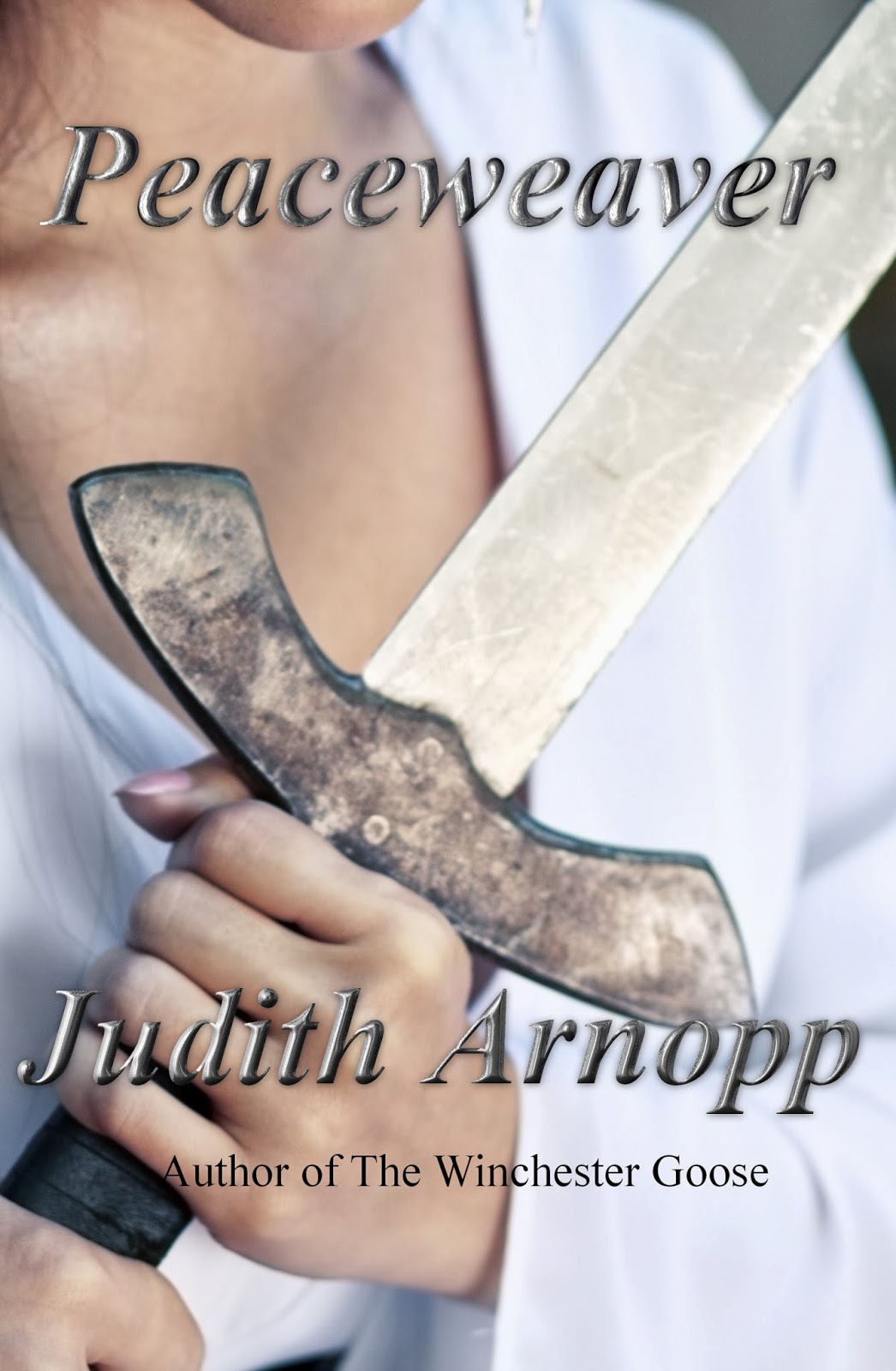
Judith Arnopp is the author of eight historical novels. Her early books Peaceweaver and The Song of Heledd are set in medieval Wales. She also writes novels set in the court of Henry VIII. For more information please visit the website: www.juditharnopp.com




 |
| copyright Judith Arnopp |
Harlech castle stands proud on a rock on the edge of Snowdonia. It was raised by Edward I as part of his ring of fourteen stone strongholds to suppress and control the rebellious Welsh. Even now, some eight centuries later, the castle still reverberates with power.
 |
| copyright Judith Arnopp |
Rebellions followed, the first in 1287-8, in 1294, and another lasting from 1316-18. By the 1370’s the Welsh were still not totally vanquished but it was not until 1400 when the most serious revolt of all broke out. The leader of the revolt, Owain Glyndŵr, had previously led a conventional life, studying law at the Inns of Court in London, and serving with Richard II in France and Scotland.
In the late 1390s Glyndŵr’s neighbour, Baron Grey de Ruthyn, seized control of a parcel of land. Glyndŵr’s petition to the English parliament was ignored. In 1400 Lord Grey failed to inform Glyndŵr in time of a royal command to levy troops for Scottish border service, an act that put Glyndŵr at odds with the king. Lord Grey was a personal friend to Henry IV and Glyndŵr under no delusion as to the threat in which he stood.
 |
| Ian West CC-BY-SA-2.0 via Wikimedia Commons |
Glyndŵr, understandably fed up with the way he was treated, turned away from English authority and assumed his ancestral title of Prince of Powys. With a band of followers he launched an attack on Lord Grey’s territories.
Glyndŵr was declared an outlaw and his estates confiscated. In the years that followed the skirmishes grew into battles and outright war against the English crown. The Welsh grasped the opportunity to follow and serve a leader such as they’d been waiting for since the death of Llewellyn Fawr in 1240. Glyndŵr’s revolt spread until much of north and central Wales was in Welsh hands. The English king sent Henry ‘Hotpsur’ Percy to regain control of the country who issued an amnesty to all rebels with the exception of Glyndŵr and his cousins, Rhys and Gwilym ap Tudor.
In 1402 penal laws were issued by Parliament against Wales and the harsh anti-Welsh legislation, designed to establish English dominance, actually pushed even more Welshmen into revolt.
 |
| copyright Judith Arnopp |
In June the English force led by Sir Edmund Mortimer was defeated and Mortimer held hostage with Glyndŵr demanding a large sum for his safe return, but Henry refused to pay up. Mortimer retaliated against his king by forming an alliance with Glyndŵr and marrying one of his daughters.
By 1403 the revolt had spread right across Wales, and English resistance was reduced to a few isolated castles, walled towns and fortified manor houses. Welsh students at Oxford University abandoned their studies to join Glyndŵr; Welsh labourers and craftsmen resident in England abandoned their jobs and returned to Wales. Owain called on Welsh soldiers, seasoned by the English campaigns in France and Scotland, and Welsh archers and men-at-arms quit English service to offer support of their homeland. At this point Wales looked strong, the dream of an independent state within reach.
 |
| copyright Judith Arnopp |
Glyndŵr moved his family into Harlech and held court there, calling his first parliament (Cynulliard – gathering of all Wales) at Machynlleth. Tradition has it that he was crowned Prince of Wales at Harlech Castle in the presence of envoys from Spain, Scotland and France. He held two other parliaments, one in Dolgellau where he signed a treaty with France.
But by 1408 the dream began to fade. Some battles were lost in the east and south and Aberystwyth Castle fell, becoming the first British castle to be assaulted by the big guns.
Harlech was under siege again. The massive curtain walls were peppered with cannon balls; one canon named ‘The King’s Daughter’ is reported to have exploded. Today the castle gatehouse displays a number of stone cannon balls which are believed to date from this time.
 |
| Copyright Judith Arnopp |
Today the name Owain Glyndŵr continues to resonate throughout Wales; there is hardly a town you can visit that does not bear his name, or his image. Every Welsh town, be it history or legend, has a story of Owain Glyndŵr.
There are many historical sites pertaining to the story of Owain Glyndŵr. A good starting point is the Owain Glyndŵr centre in Machynlleth: http://www.canolfanglyndwr.org/
The castles of Harlech, Aberystwyth, Beaumaris, Criccieth should not be omitted from any visit to Wales.
 |
| By de:Benutzer:Rdb [Public domain], via Wikimedia Commons |
Judith Arnopp is the author of eight historical novels. Her early books Peaceweaver and The Song of Heledd are set in medieval Wales. She also writes novels set in the court of Henry VIII. For more information please visit the website: www.juditharnopp.com


.JPG)
