by Judith Arnopp
A new narrator popped into my work in progress the other day; a voice that wants to be heard, and who am I to deny him?
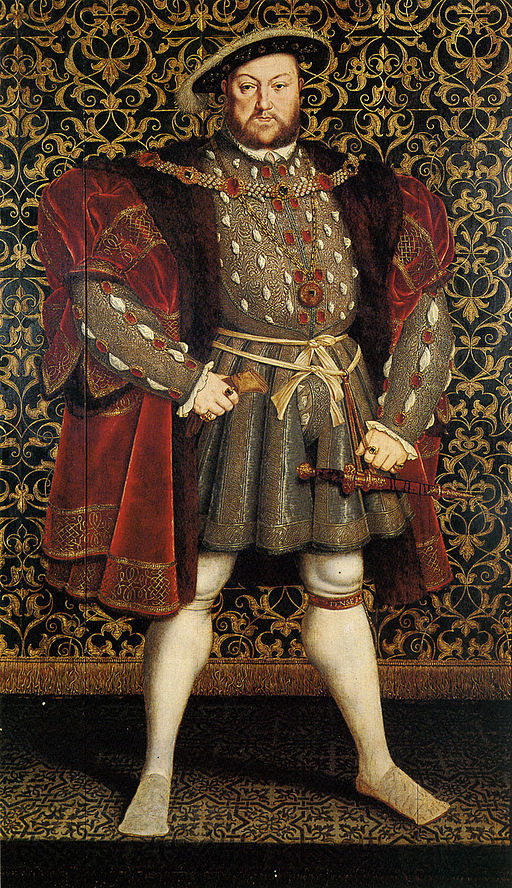
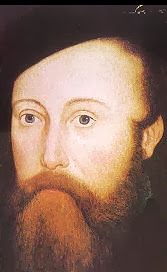
Thomas Seymour is often portrayed in historical novels as a brash adventurer, a power hungry molester of young girls but, when writing history, it is important to stay true to the time in which the events take place.
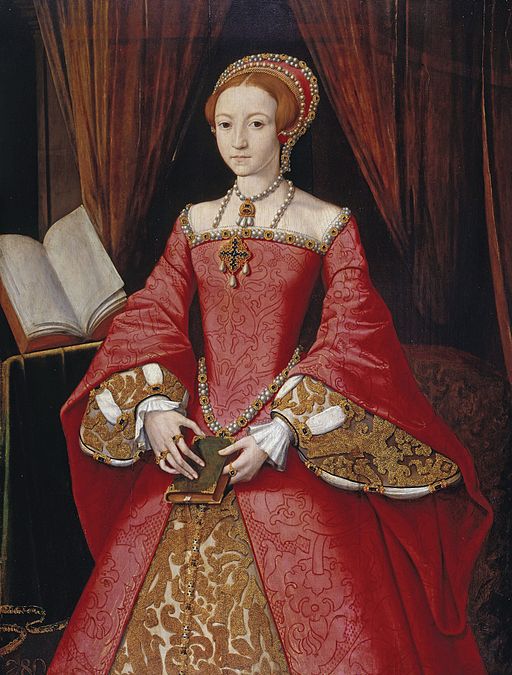
Elizabeth Tudor was fourteen at the time Seymour married Katherine Parr and, although to us the alleged relationship between him and his step daughter is shocking due to her age, at the time, fourteen was regarded as ‘marriageable.’ There was no undue public outrage and he was not labelled as an abuser. What was shocking to the 16th century mind-set was Elizabeth’s status. Mistresses were perfectly acceptable, royal princesses were definitely not.
Even when added to his other alleged ‘crimes’ Seymour still doesn’t emerge as a ‘monster’. He was misguided perhaps, driven by his baser instincts, very human in fact.
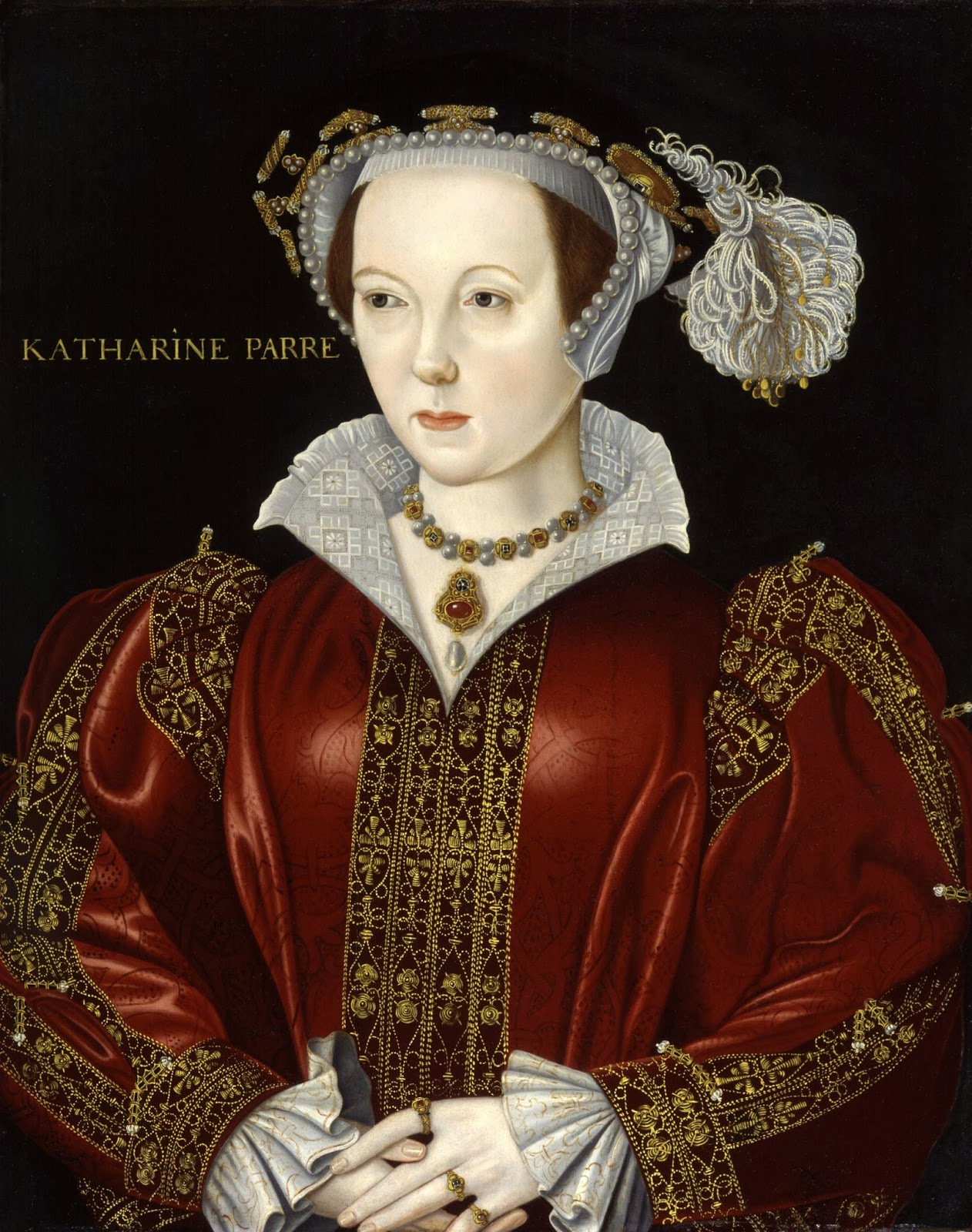
Thomas and Katherine Parr were on the brink of marriage when she was spotted by the king as a potential wife but Thomas gallantly gave way to his monarch. But, after Henry VIII’s death Seymour lost no time in marrying his former sweetheart.
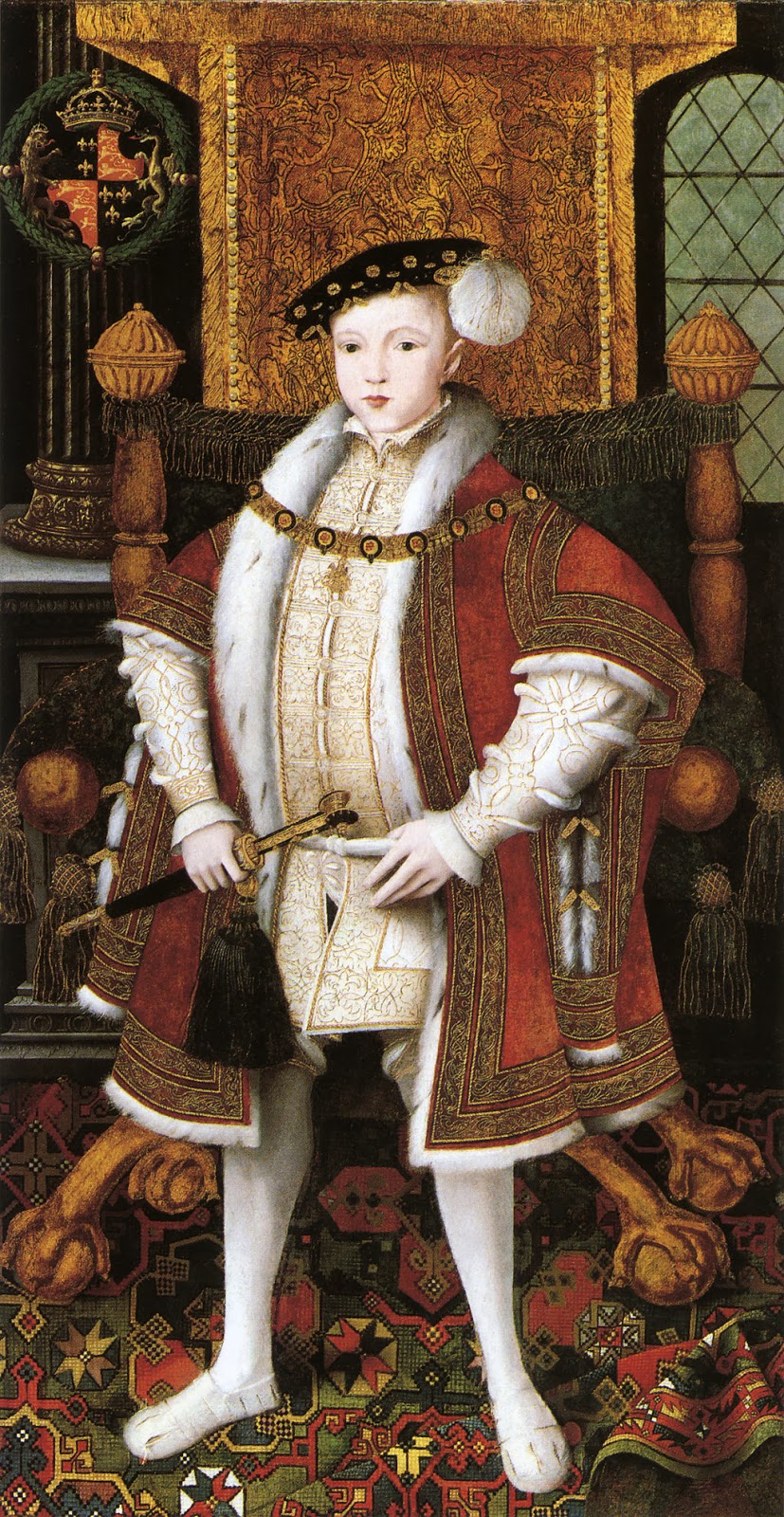
Seymour was the uncle of the young king Edward VI, but it was his elder brother, Somerset, who had control of the king's leading strings. Although Thomas was made Lord High Admiral and 1st Baron of Sudeley, it was his brother who became Lord High Protector and held all the power that Thomas craved.
Feelings between the siblings were not sweet. After the death of Henry VIII the Lord Protector seized the crown jewels from Katherine, including some personal pieces of her own, not belonging to the crown. This infuriated Thomas and he spent the rest of his wife’s life trying to regain her rightful possessions. This fury was ignited further by the continual snubbing of Katherine by Edward’s wife, Anne Stanhope.
Amid this family unrest Elizabeth Tudor, second in line to the throne, took up residence with her step-mother and her new husband, Seymour, at Katherine’s home in Chelsea, later moving to Seymour’s holding at Sudeley Castle. Katherine and Elizabeth were close, sharing a love of learning and religion but during this time rumours emerged involving Seymour and the fourteen year old Elizabeth.
There were reports of him entering the girl’s bedchamber early in the morning to tickle and slap her. In some instances Katherine joined him, whether to protect her step daughter’s virtue or to aid and abet him is unclear. One has to look to the other aspects of Katherine’s character to judge her possible motive.
These unusual events have been variously depicted as innocent horseplay and sinister abuse. Whatever the truth of the matter is, there are no reports of undue outrage at the time. Ultimately, Elizabeth was sent away but her relationship with her step-mother remained strong and they corresponded regularly. Katherine and Thomas remained at Sudeley, awaiting the birth of their first child. Katherine gave birth to a daughter, Mary, but died a short time later; sadly the records of her long-awaited daughter’s life fade out after just two years.
It is after the death of Katherine that Thomas seems to have become more ungovernable. He began an alleged campaign against his brother, trying to usurp the influence Somerset had over the boy king. He started to provide his nephew with pocket money, trying to win his favour by playing the popular fun loving uncle. At the same time he abused his position as Lord High Admiral by encouraging piracy, criticising his brother’s policies and, most outrageous of all, bribing the Vice treasurer of the Bristol Mint to finance an alleged coup against the Protectorship.
In 1548 he was called to appear before the Privy Council to explain his actions. To Thomas, it must have seemed that the world was against him. All he wanted was an audience with the king, to explain his behaviour and point out the error of Somerset’s ways. He wanted, once and for all, to put an end to his brother’s Protectorship. Thomas was convinced he would do a much better job. In the end he went so far as to hatch a desperate plot to gain access to Edward VI.
On the 16th January 1549 Seymour, by way of the privy garden, broke into the royal apartments at Hampton Court. The story goes that as he crept into Edward’s bedchamber his favourite spaniel woke up and began to bark. Seymour, without thinking, silenced the yapping, snarling dog by drawing his pistol and shooting it dead. It was against all royal etiquette to draw one’s pistol in the presence of a king and the act, together with the death of the royal pet, sealed Thomas’ fate.
Thomas Seymour was sent to the Tower, accused of attempting to kidnap the king, and plotting to marry the King’s half-sister, Elizabeth and put her on the throne in Edward’s place. In all, thirty three separate counts of treason were brought against him and, with the murder of his pet probably uppermost in his mind, Edward had no hesitation in signing his Uncle Thomas’ death warrant.
He was executed on 20th March 1549, dying bravely on the scaffold, leaving as his legacy a poem, which hint that his motives may have been more honourable than his actions.
“Forgetting God to love a king
Hath been my rod or else nothing:
In this frail life being a blast
of care and strife till in be past.
Yet God did call me in my pride
lest I should fall and from him slide
for whom loves he and not correct
that they may be of his elect.
The death haste thee thou shalt me gain
Immortally with him to reign
Who send the king like years as noye
In governing his realm in joy
And after this frail life such grace
As in his bliss he may have place.”
(Taken from Skidmore: Edward VI))
For all his faults and intemperate actions Seymour was popular with many of his contemporaries. There was unrest at his sentencing and Somerset was proclaimed ‘a bloodsucker and a ravening wolf.’ (Skidmore) Measures were taken to calm the situation, the most effective method proved to be the blackening of the Admiral’s character.
The council accused him as an atheist, a traitor, a lecher, and circulated rumours that he had encouraged rebellion, writing to Elizabeth and Mary urging them to rise up against the Protectorship. On the order of the council Hugh Latimer emphasised that Seymour was ‘a wicked man, and the realm is well rid of him.’
The ordinary people, however, seemed to hold a different view. Seymour was loved by many people, particularly the women. His love for Katherine Parr seems genuine; bowing out of the relationship to make way for King Henry and not hesitating to rekindle it once she was widowed. The stories about Elizabeth are the only stain against him, and then we are judging by 21st rather than 16th century standards. Better men than Thomas Seymour took mistresses and better men than him have been led astray by the charms of a young girl.
And as for Elizabeth? Maybe her love for Thomas was genuine. Perhaps it was her experience with Seymour and his subsequent death (that was so akin to her mother’s) that made her shun sexual relationships from that day on. David Starkey points out that ‘almost all of the men she subsequently loved, or pretended to love, resembled Seymour.’
Most of the detrimental stories of Thomas Seymour date from after his death. Like so many others executed in this period, his name has been blackened by those who survived him. Brother of a queen, uncle of a king, husband of a dowager queen, Seymour may have craved power in his own right but that is not a monstrous crime.
He was man who believed he could serve England better than his brother; a headstrong man who made unwise decisions; a man who dallied with a royal princess; a man who shot the king’s dog.
If Thomas had a flaw it was that he was driven by human failings. In the words of Sir Nicolas Throckmorton Thomas Seymour was, ‘… fierce in courage, courtly in fashion, in personage stately, in voice magnificent, but somewhat empty of matter.’
Not the most becoming epitaph but in my forthcoming novel, Intractable Heart, Thomas Seymour has a section of the narrative to himself; a chance to redress the balance and provide his own version of his extraordinary life.
Further reading
Susan James, Catherine Parr
Linda Porter, Katherine the Queen
Elizabeth Norton, Catherine Parr
David Starkey, Elizabeth
Anne Somerset, Elizabeth I
Alison Plowden, The Young Elizabeth
Chris Skidmore, Edward VI
For more information about me and my novels please visit my website.
Photographs from Wikimedia Commons.

The Kiss of the Concubine UK link
US link

The Winchester Goose UK link
US link

The Forest Dwellers UK Link
US link

 |
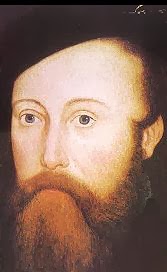
| Thomas Seymour; Baron Sudeley |
Thomas Seymour is often portrayed in historical novels as a brash adventurer, a power hungry molester of young girls but, when writing history, it is important to stay true to the time in which the events take place.
Elizabeth Tudor was fourteen at the time Seymour married Katherine Parr and, although to us the alleged relationship between him and his step daughter is shocking due to her age, at the time, fourteen was regarded as ‘marriageable.’ There was no undue public outrage and he was not labelled as an abuser. What was shocking to the 16th century mind-set was Elizabeth’s status. Mistresses were perfectly acceptable, royal princesses were definitely not.
Even when added to his other alleged ‘crimes’ Seymour still doesn’t emerge as a ‘monster’. He was misguided perhaps, driven by his baser instincts, very human in fact.
Thomas and Katherine Parr were on the brink of marriage when she was spotted by the king as a potential wife but Thomas gallantly gave way to his monarch. But, after Henry VIII’s death Seymour lost no time in marrying his former sweetheart.
Seymour was the uncle of the young king Edward VI, but it was his elder brother, Somerset, who had control of the king's leading strings. Although Thomas was made Lord High Admiral and 1st Baron of Sudeley, it was his brother who became Lord High Protector and held all the power that Thomas craved.
Feelings between the siblings were not sweet. After the death of Henry VIII the Lord Protector seized the crown jewels from Katherine, including some personal pieces of her own, not belonging to the crown. This infuriated Thomas and he spent the rest of his wife’s life trying to regain her rightful possessions. This fury was ignited further by the continual snubbing of Katherine by Edward’s wife, Anne Stanhope.
Amid this family unrest Elizabeth Tudor, second in line to the throne, took up residence with her step-mother and her new husband, Seymour, at Katherine’s home in Chelsea, later moving to Seymour’s holding at Sudeley Castle. Katherine and Elizabeth were close, sharing a love of learning and religion but during this time rumours emerged involving Seymour and the fourteen year old Elizabeth.
 |
| Elizabeth Tudor |
These unusual events have been variously depicted as innocent horseplay and sinister abuse. Whatever the truth of the matter is, there are no reports of undue outrage at the time. Ultimately, Elizabeth was sent away but her relationship with her step-mother remained strong and they corresponded regularly. Katherine and Thomas remained at Sudeley, awaiting the birth of their first child. Katherine gave birth to a daughter, Mary, but died a short time later; sadly the records of her long-awaited daughter’s life fade out after just two years.
It is after the death of Katherine that Thomas seems to have become more ungovernable. He began an alleged campaign against his brother, trying to usurp the influence Somerset had over the boy king. He started to provide his nephew with pocket money, trying to win his favour by playing the popular fun loving uncle. At the same time he abused his position as Lord High Admiral by encouraging piracy, criticising his brother’s policies and, most outrageous of all, bribing the Vice treasurer of the Bristol Mint to finance an alleged coup against the Protectorship.
In 1548 he was called to appear before the Privy Council to explain his actions. To Thomas, it must have seemed that the world was against him. All he wanted was an audience with the king, to explain his behaviour and point out the error of Somerset’s ways. He wanted, once and for all, to put an end to his brother’s Protectorship. Thomas was convinced he would do a much better job. In the end he went so far as to hatch a desperate plot to gain access to Edward VI.
 |
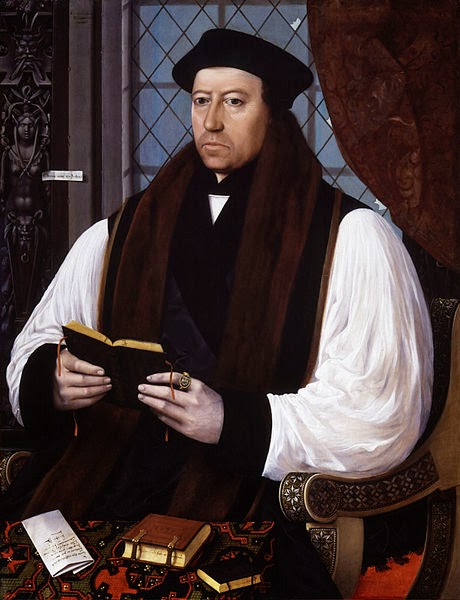
| Edward VI |
Thomas Seymour was sent to the Tower, accused of attempting to kidnap the king, and plotting to marry the King’s half-sister, Elizabeth and put her on the throne in Edward’s place. In all, thirty three separate counts of treason were brought against him and, with the murder of his pet probably uppermost in his mind, Edward had no hesitation in signing his Uncle Thomas’ death warrant.
He was executed on 20th March 1549, dying bravely on the scaffold, leaving as his legacy a poem, which hint that his motives may have been more honourable than his actions.
“Forgetting God to love a king
Hath been my rod or else nothing:
In this frail life being a blast
of care and strife till in be past.
Yet God did call me in my pride
lest I should fall and from him slide
for whom loves he and not correct
that they may be of his elect.
The death haste thee thou shalt me gain
Immortally with him to reign
Who send the king like years as noye
In governing his realm in joy
And after this frail life such grace
As in his bliss he may have place.”
(Taken from Skidmore: Edward VI))
For all his faults and intemperate actions Seymour was popular with many of his contemporaries. There was unrest at his sentencing and Somerset was proclaimed ‘a bloodsucker and a ravening wolf.’ (Skidmore) Measures were taken to calm the situation, the most effective method proved to be the blackening of the Admiral’s character.
The council accused him as an atheist, a traitor, a lecher, and circulated rumours that he had encouraged rebellion, writing to Elizabeth and Mary urging them to rise up against the Protectorship. On the order of the council Hugh Latimer emphasised that Seymour was ‘a wicked man, and the realm is well rid of him.’
 |
| Katherine Parr |
And as for Elizabeth? Maybe her love for Thomas was genuine. Perhaps it was her experience with Seymour and his subsequent death (that was so akin to her mother’s) that made her shun sexual relationships from that day on. David Starkey points out that ‘almost all of the men she subsequently loved, or pretended to love, resembled Seymour.’
Most of the detrimental stories of Thomas Seymour date from after his death. Like so many others executed in this period, his name has been blackened by those who survived him. Brother of a queen, uncle of a king, husband of a dowager queen, Seymour may have craved power in his own right but that is not a monstrous crime.
He was man who believed he could serve England better than his brother; a headstrong man who made unwise decisions; a man who dallied with a royal princess; a man who shot the king’s dog.
If Thomas had a flaw it was that he was driven by human failings. In the words of Sir Nicolas Throckmorton Thomas Seymour was, ‘… fierce in courage, courtly in fashion, in personage stately, in voice magnificent, but somewhat empty of matter.’
Not the most becoming epitaph but in my forthcoming novel, Intractable Heart, Thomas Seymour has a section of the narrative to himself; a chance to redress the balance and provide his own version of his extraordinary life.
Further reading
Susan James, Catherine Parr
Linda Porter, Katherine the Queen
Elizabeth Norton, Catherine Parr
David Starkey, Elizabeth
Anne Somerset, Elizabeth I
Alison Plowden, The Young Elizabeth
Chris Skidmore, Edward VI
For more information about me and my novels please visit my website.
Photographs from Wikimedia Commons.
The Kiss of the Concubine UK link
US link
The Winchester Goose UK link
US link
The Forest Dwellers UK Link
US link