
by M J Logue
On 27th July 1646, Wallingford Castle in Oxfordshire became the last major English stronghold held by King Charles I to surrender to the Army of Parliament following a twelve-week siege by Sir Thomas Fairfax. To protect the town, part of the stone bridge across the Thames was replaced with a wooden drawbridge. St Leonard’s church, used as a troop garrison, was badly damaged during the war, and two other churches, All Hallows and St Peter’s, were destroyed.
Wallingford Castle was held by Colonel Thomas Blagge, who was appointed Governor of the castle in 1642 and who commanded a foot regiment of a thousand men, to prevent an advance on Oxford to the north-west. In 1643 the king instructed him to refortify the castle, inspecting the results later that year. By 1644, the surrounding Thames towns of Abingdon and Reading had fallen and Parliamentary forces unsuccessfully attacked the town and castle of Wallingford in 1645. Colonel Blagge’s foot regiment and Lord Digby’s horse regiment were stationed there, and the Wallingford troops were involved in many local skirmishes. Later, Parliamentarians came to Wallingford believing the king to be there and were received somewhat brusquely by Blagge, who told them he’d left for Oxford.
Blagge was originally a Suffolk man, born at Horningsheath, and was baptised in 1613, marrying Mary North of Mildenhall, daughter of Sir Roger North. He was - and remained until his death in 1660 - a staunch King's man; he had been one of Charles' Grooms to the Bedchamber. In fact, Charles visited Wallingford several times during the war and once struck Blagge about the head for not providing enough soldiers, and on another occasion the Queen and Prince Rupert were godparents at the christening of one of Blagge’s children. His wife survived him by a further ten years, and he left four young daughters - Henrietta Maria, Dorothy, Mary and Margaret. Henrietta Maria married Sir Thomas Yarborough of Snaith in the County of York, and Mary became the wife of Coldough. Margaret married the Earl of Godolphin, who became Lord High Treasurer of England. She died a few days after the birth of Francis, her only son.
Both Margaret and Henrietta Maria were Maids of Honour to the Duchess of York and, after the Duchess's death in 1671, Margaret became Maid of Honour to Queen Catherine.
As the Parliamentarian forces approached the King's headquarters at Oxford in the summer of 1646, Charles escaped, disguised as a footman. The city was surrounded and eventually surrendered: only Raglan and Pendennis were still held by the King. Charles fled northwards to Newark to join the Scots. And yet, Blagge, alone and surrounded at Wallingford, hung on.
There was much damage in the town, mostly from fires. Though there was no hope of relief, Blagge kept possession of the fortress, even though it was surrounded on all sides and there were daily assaults on the lines. Such was the resolution with which Blagge defended the position that Fairfax sought the aid of Cromwell and others. He had reported his progress from time to time to the Commons and discussed with them the terms for surrender. With their approval, a list of terms was drawn up and presented to Blagge, who refused to accept them until the King gave permission. Fairfax immediately ordered two more brigades to surround the town.
On 17 July, Fairfax reported that all terms were agreed except that Col. Blagge demanded that himself and the garrison “not to be questioned for anything done as soldiers during the war”. The Commons objected to this and other demands and ordered the siege to continue. After holding out for 16 weeks in total, with an all out siege of 65 days, in which only five men were lost, the town yielded on the 27th July 1646 with an honourable surrender. The terms of the surrender were little modified from those demanded by Colonel Blagge, and allowed the defenders to march out with flying colours, in all honour. (The full terms of the surrender can be found here.)
The risk of civil conflict continued, however, and Parliament decided that it was necessary to slight the castle in 1652 as it remained a surprisingly powerful fortress and a continuing threat should any fresh uprising occur. The castle was virtually razed to the ground in the operation, although a brick building continued to be used as a prison into the 18th century. A large house was built in the bailey in 1700, followed by a mansion on the same site in 1837.
It's a quiet, beautiful, green walled garden these days, and the only time the peaceful Oxfordshire countryside echoes to the sound of artillery fire is during the re-enactment that commemorates the siege. But you have to admire Thomas Blagge. Beleaguered, surrounded, his faith in his King never faltered, even through eleven long years of the Commonwealth. He died six months after the Restoration and was buried in the North Cross of Westminster Abbey. His epitaph reads:
~~~~~~~~~~~~~
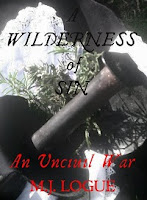 M J Logue has been passionate about the English Civil War since writing her first novel over 20 years ago. After a brief flirtation with horror and dark fantasy, she returned to her first love, historical fiction, and now combines the two. She has a degree in English literature, trained as an archivist, and likes Jacobean theatre, loud music, and cheese.
When not attempting to redeem the reputation of the Army of Parliament, she lives in Cornwall with her husband and son, three cats, and a toad under the back doorstep.
There is little more to divulge, other than - "I had rather have a plain, russet-coated Captain, that knows what he fights for, and loves what he knows, than that which you call a Gentle-man and is nothing else."
Thank you, Oliver Cromwell!
She can be found lurking at uncivilwars.blogspot.co.uk, and the first three books in her bestselling series featuring the (mis)adventures of sweary Parliamentarian cavalry officer Hollie Babbitt and his rebel rabble are available here.
.
On 27th July 1646, Wallingford Castle in Oxfordshire became the last major English stronghold held by King Charles I to surrender to the Army of Parliament following a twelve-week siege by Sir Thomas Fairfax. To protect the town, part of the stone bridge across the Thames was replaced with a wooden drawbridge. St Leonard’s church, used as a troop garrison, was badly damaged during the war, and two other churches, All Hallows and St Peter’s, were destroyed.
Wallingford Castle was held by Colonel Thomas Blagge, who was appointed Governor of the castle in 1642 and who commanded a foot regiment of a thousand men, to prevent an advance on Oxford to the north-west. In 1643 the king instructed him to refortify the castle, inspecting the results later that year. By 1644, the surrounding Thames towns of Abingdon and Reading had fallen and Parliamentary forces unsuccessfully attacked the town and castle of Wallingford in 1645. Colonel Blagge’s foot regiment and Lord Digby’s horse regiment were stationed there, and the Wallingford troops were involved in many local skirmishes. Later, Parliamentarians came to Wallingford believing the king to be there and were received somewhat brusquely by Blagge, who told them he’d left for Oxford.
Blagge was originally a Suffolk man, born at Horningsheath, and was baptised in 1613, marrying Mary North of Mildenhall, daughter of Sir Roger North. He was - and remained until his death in 1660 - a staunch King's man; he had been one of Charles' Grooms to the Bedchamber. In fact, Charles visited Wallingford several times during the war and once struck Blagge about the head for not providing enough soldiers, and on another occasion the Queen and Prince Rupert were godparents at the christening of one of Blagge’s children. His wife survived him by a further ten years, and he left four young daughters - Henrietta Maria, Dorothy, Mary and Margaret. Henrietta Maria married Sir Thomas Yarborough of Snaith in the County of York, and Mary became the wife of Coldough. Margaret married the Earl of Godolphin, who became Lord High Treasurer of England. She died a few days after the birth of Francis, her only son.
Both Margaret and Henrietta Maria were Maids of Honour to the Duchess of York and, after the Duchess's death in 1671, Margaret became Maid of Honour to Queen Catherine.
As the Parliamentarian forces approached the King's headquarters at Oxford in the summer of 1646, Charles escaped, disguised as a footman. The city was surrounded and eventually surrendered: only Raglan and Pendennis were still held by the King. Charles fled northwards to Newark to join the Scots. And yet, Blagge, alone and surrounded at Wallingford, hung on.
There was much damage in the town, mostly from fires. Though there was no hope of relief, Blagge kept possession of the fortress, even though it was surrounded on all sides and there were daily assaults on the lines. Such was the resolution with which Blagge defended the position that Fairfax sought the aid of Cromwell and others. He had reported his progress from time to time to the Commons and discussed with them the terms for surrender. With their approval, a list of terms was drawn up and presented to Blagge, who refused to accept them until the King gave permission. Fairfax immediately ordered two more brigades to surround the town.
On 17 July, Fairfax reported that all terms were agreed except that Col. Blagge demanded that himself and the garrison “not to be questioned for anything done as soldiers during the war”. The Commons objected to this and other demands and ordered the siege to continue. After holding out for 16 weeks in total, with an all out siege of 65 days, in which only five men were lost, the town yielded on the 27th July 1646 with an honourable surrender. The terms of the surrender were little modified from those demanded by Colonel Blagge, and allowed the defenders to march out with flying colours, in all honour. (The full terms of the surrender can be found here.)
The risk of civil conflict continued, however, and Parliament decided that it was necessary to slight the castle in 1652 as it remained a surprisingly powerful fortress and a continuing threat should any fresh uprising occur. The castle was virtually razed to the ground in the operation, although a brick building continued to be used as a prison into the 18th century. A large house was built in the bailey in 1700, followed by a mansion on the same site in 1837.
It's a quiet, beautiful, green walled garden these days, and the only time the peaceful Oxfordshire countryside echoes to the sound of artillery fire is during the re-enactment that commemorates the siege. But you have to admire Thomas Blagge. Beleaguered, surrounded, his faith in his King never faltered, even through eleven long years of the Commonwealth. He died six months after the Restoration and was buried in the North Cross of Westminster Abbey. His epitaph reads:
...a gentleman, who, to the rarest accomplishments of mind and body, added to the sciences, and every civil and military virtue. As he was beloved by Charles I and II, of whose bedchamber he was, he preserved an unshaken fidelity to them, and performed many important services; especially when Governor of Wallingford Castle, which, after almost all of the rest had submitted, he defended so valiantly, that, when he marched out of it, it was by his Majesty’s own command giving also afterwards a singular pattern of steady loyalty, in his sufferings for the royal cause, by exile abroad and frequent imprisonment at home. For these deserts, he was, at the king’s restoration, made a colonel in the guards, and Governor of Yarmouth and Landguard Fort. Further preferments were designed for him, of which death deprived him; with the generous satisfaction, however, of having in prosperity that master to whom he had so faithfully adhered to in adversity.

When not attempting to redeem the reputation of the Army of Parliament, she lives in Cornwall with her husband and son, three cats, and a toad under the back doorstep.
There is little more to divulge, other than - "I had rather have a plain, russet-coated Captain, that knows what he fights for, and loves what he knows, than that which you call a Gentle-man and is nothing else."
Thank you, Oliver Cromwell!
She can be found lurking at uncivilwars.blogspot.co.uk, and the first three books in her bestselling series featuring the (mis)adventures of sweary Parliamentarian cavalry officer Hollie Babbitt and his rebel rabble are available here.
.


