
by Carol McGrath
I am fascinated by clothing and fabrics sold by drapers and merchants during the late medieval and early Tudor period. Wool was England's most valuable export. It was sold in quantity all over Europe.
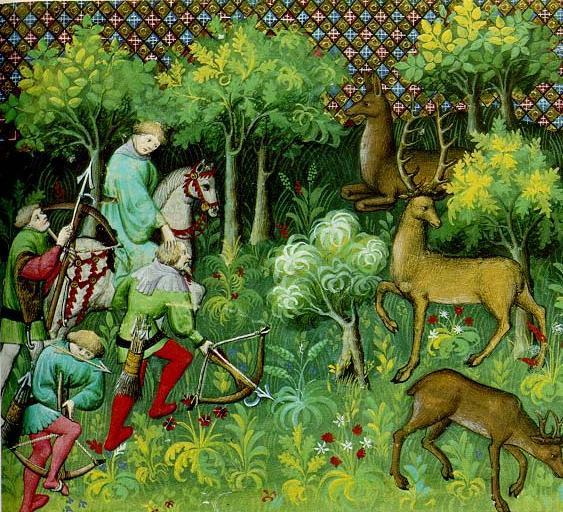
 I have been studying pictures of clothing that appear on illuminated manuscript work- those fabulous tiny figures dressed in gorgeous bright colours and in exotic fabrics other than wool. Velvet, silk and damask were the most expensive fabrics that were popular among society's elite.
However, by the end of this period there was a market for what was known as the new draperies. They were made from wool that was combed out rather than felted and which at the weaving stage was mixed with silk, linen and even cotton. These new fabrics were often light and had a variety of interesting names such as serges, bayes, sayes, perpetuanas, frisadoes, minikins, bombasines, grosgraines, buffins, russells, sagathies, mockadoes, shalloons and tammies. They actually varied little from each other except in firmness, weight and size.
The woolen industry proper involved the manufacture of broadcloth, dozens, penistones and medley cloth. These names may seem complicated to our minds, and I have only mentioned a selection of them. Yet, I have no doubt that the medieval merchant knew what he or she was looking at when they purchased fabric in the great cloth fairs such as the September fair of St Bartholomew in London or The Northampton Cloth Fair in November.
One of the most fascinating aspects of the clothing and fashion industry are the Sumptuary laws. In 1513 such laws were passed in England to define what different classes of people were allowed to wear. They should not just know their station, but they should look it as well. I often think as John Ball, the hedge-priest said at the time of the Peasant's Revolt, 'When Adam delved, and Eve spun, who was then a gentleman?' Equality was idealism. It could not exist within a society ruled by a feudal system.
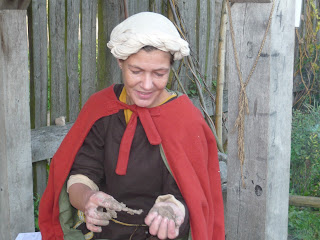
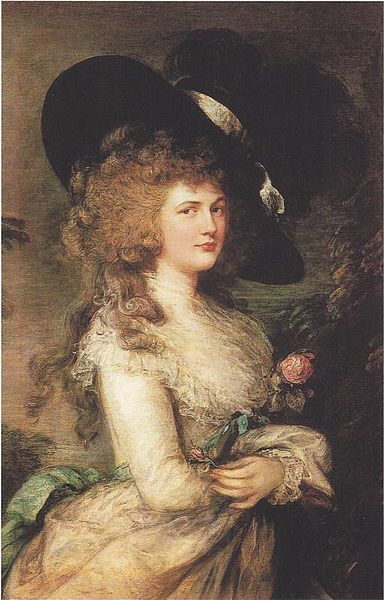
Fashion was an important way in which identity, values and status could be displayed within society. Before the 14th century status was simply indicated by the quality of clothing worn. After this there were concerns about style and tailoring. Buttons were used from circa 1350. This meant that tight fitting garments were easier to wear. There was also an increased range of imported dyes and fabrics for the elite which could afford the latest trends. There was also a greater use of fur and embroidery. Head-dresses became more complex. The higher the rank, the more choice there was of materials and colour. The upper classes could wear taffeta, velvets, silks, furs and lace. Poor Tudors wore wool and linen.
Thus, in England sumptuary rules dictated the colour and types of clothing allowed to persons of various ranks and incomes. An extremely long list of items specifying colour and materials existed well into the 17th century. Only royalty could wear purple. Gold, silver, crimson, scarlet, deep blue were for the nobility and royalty only. Poor Tudors wore browns, beige,yellow, orange, russet, green, grey and paler blues.
So, you see, the beautifully clothed figures we see in illuminated manuscripts did not represent the unfashionable poorer majority in society. Rather, they show societal elite.
~~~~~~~~~~~~~
Carol McGrath lives near Oxford. She is the author of The Daughters of Hastings Trilogy. Her latest novel is The Betrothed Sister. Her WIP is set in the early Tudor period. She can be found at:
https://www.facebook.com/daughtersofhastings
I am fascinated by clothing and fabrics sold by drapers and merchants during the late medieval and early Tudor period. Wool was England's most valuable export. It was sold in quantity all over Europe.

 |
| Beautiful fabrics and colours for the elite |
However, by the end of this period there was a market for what was known as the new draperies. They were made from wool that was combed out rather than felted and which at the weaving stage was mixed with silk, linen and even cotton. These new fabrics were often light and had a variety of interesting names such as serges, bayes, sayes, perpetuanas, frisadoes, minikins, bombasines, grosgraines, buffins, russells, sagathies, mockadoes, shalloons and tammies. They actually varied little from each other except in firmness, weight and size.
 |
| Notice the pattern woven into this new fabric |
The woolen industry proper involved the manufacture of broadcloth, dozens, penistones and medley cloth. These names may seem complicated to our minds, and I have only mentioned a selection of them. Yet, I have no doubt that the medieval merchant knew what he or she was looking at when they purchased fabric in the great cloth fairs such as the September fair of St Bartholomew in London or The Northampton Cloth Fair in November.
One of the most fascinating aspects of the clothing and fashion industry are the Sumptuary laws. In 1513 such laws were passed in England to define what different classes of people were allowed to wear. They should not just know their station, but they should look it as well. I often think as John Ball, the hedge-priest said at the time of the Peasant's Revolt, 'When Adam delved, and Eve spun, who was then a gentleman?' Equality was idealism. It could not exist within a society ruled by a feudal system.

Fashion was an important way in which identity, values and status could be displayed within society. Before the 14th century status was simply indicated by the quality of clothing worn. After this there were concerns about style and tailoring. Buttons were used from circa 1350. This meant that tight fitting garments were easier to wear. There was also an increased range of imported dyes and fabrics for the elite which could afford the latest trends. There was also a greater use of fur and embroidery. Head-dresses became more complex. The higher the rank, the more choice there was of materials and colour. The upper classes could wear taffeta, velvets, silks, furs and lace. Poor Tudors wore wool and linen.
 |
| The poor throughout the seasons |
So, you see, the beautifully clothed figures we see in illuminated manuscripts did not represent the unfashionable poorer majority in society. Rather, they show societal elite.
~~~~~~~~~~~~~
Carol McGrath lives near Oxford. She is the author of The Daughters of Hastings Trilogy. Her latest novel is The Betrothed Sister. Her WIP is set in the early Tudor period. She can be found at:
https://www.facebook.com/daughtersofhastings
Follow me on Twitter @carolmcgrath
www.carolcmcgrath.co.uk


.jpg/753px-Elizabeth_I_(Armada_Portrait).jpg)
.jpg/471px-Kelly,_Grace_(Rear_Window).jpg)

