
by Maria Grace
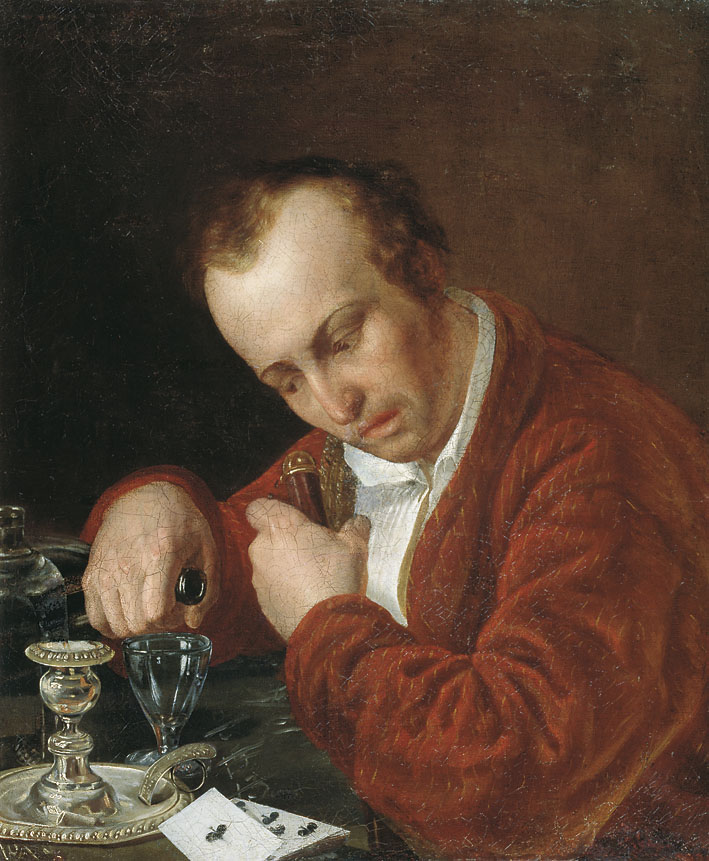
During the Regency era “almost all members of the middle and upper classes had accounts with different suppliers, who extended credit to their patrons. … Only if the amount was small or they were traveling did they pay cash. In fact, only the poor did not live on credit in one guise or another.” (Forsling, 2017) In fact, more people depended on credit than ever before resulting in perpetual overcrowding in the debtor's prisons.
Although debt, both personal and national, were rife in Regency society, attitudes toward debt were largely divided across class lines. “Aristocratic claims for leadership had long been based on lavish displays and consumption while the middle class stressed domestic moderation. In particular, aristocratic disdain for sordid money matters, their casual attitude to debt and addiction to gambling …, were anathema to the middling ranks whose very existence depended on the establishment of creditworthiness and avoidance of financial embarrassment.” (Davidoff, 2002).
Many small and otherwise flourishing businesses failed due to bad debts, especially among the upper classes. Some went so far as to begin refusing credit and to only sell for ‘ready money’. The notion that debts of honor had to be paid and paid quickly while debts to merchants could be put off indefinitely only exacerbated the situation.
Robbing Peter to Pay Paul
Gaming debts were regarded as sacrosanct which might not have been so significant an issue had there not been so many of them. The Regency was a time when Englishmen, especially the wealthy and highborn, were ready to bet on almost anything. Though gaming for high stakes was illegal by Austen’s day, authorities mostly seemed to turn a blind eye to it, (Fullerton, 2004) perhaps because it was considered largely an upper class vice.
Different social classes offered different reasons for the immorality of gaming. The upper classes feared losing their money to the lower class, giving them income without having earned it and opposing the work ethic. The rising middle class also saw gaming as opposing the values of stability, property, domesticity, family life and religion. (Rendell, 2002) Regardless of the reason, there was widespread agreement that gaming was a problem, thus legislation was passed against it.
Unfortunately anti-gaming laws, much like prohibition in the US, only forced gambling from public venues into private clubs where individuals bet on any and nearly everything. Organized sports including cricket, horse racing, prize fighting and cock fighting attracted spectators willing to bet on the outcome. Huge fortunes, even family estates could be won and lost at games of chance. Even the outcome of the Napoleonic Wars were subject to betting.
Moneylenders and bankers made themselves available at private clubs to assist gentlemen in settling their debts of honor which were not otherwise enforceable by law. The cost of this service though (beyond the interest on the debt of course), was creating a legally enforceable debt from which one had not been so previously.
Debtors' Prison
English bankruptcy laws were particularly harsh, demanding personal repayment of all debt, including business debt, and often incarceration. Ironically, there was no disgrace about being sent to gaol during the era, provided it was for an acceptable crime like debt or libel. (Murry, 1999) The Royal Courts administered three prisons primarily for debtors: the Fleet, the King's Bench and the Marshalsea, though debtors might be imprisoned at other facilities as well. (Low, 2005) At any given time during the era, upward of a 10,000 men were imprisoned for debts as small as four pence. (Savage, 2017)
Debtors were probably the largest proportion of the era’s prison population and had privileges not granted to ordinary criminals, including the right to have their family stay with them and to have other visitors. They could also often arrange to be supplied with beer or spirits. (Low, 2005) “During the quarterly terms, when the court sits, (Fleet) prisoners on paying five shillings a-day, and on giving security, are allowed to go out when they please, and there is a certain space round the prison, called the rules, in which prisoners may live, on furnishing two good securities to the warden for their debt, and on paying about three per cent on the amount of their debts to the warden.” (Feltham, 1803)
The process of obtaining an arrest warrant for debt was expensive. Often several tradesmen would have to band together to see a writ for debt issued. (Kelly, 2006)
Once the writ was obtained, the debtor (once caught, of course, as it was not uncommon for debtors to flee in the face of a writ, even so far as to leave the country) would first be confined to a spunging or lock-up house. A spunging-house was a private house maintained for the local confinement of debtors to give them time to settle their debts before the next step, debtors' prison. “…For twelve or fourteen shillings a-day, a debtor may remain [at the spunging house], either till he has found means of paying his debt, or finds it necessary to go to a public prison, when the writ against him becomes returnable. We have heard that great abuses prevail in these spunging-houses, and that many of the impositions practised in them deserve to be rectified. … It would be wrong to quit the sad subject of prisons, without observing that such is the bad arrangement of the laws between debtor and creditor, that ruin to both is greatly accelerated by the expensiveness of every step in the proceedings, insomuch that not one debtor in ten ever pays his debt after he enters a prison. (Feltham, 1803)
Given that once a debtor was in prison, they lacked the ability to earn money making the payment of his debt even less likely, this approach to debt seems ridiculous. So why was it done?
First, it was assumed that the debtor’s family and friends would be available to help pay off their debts. So imprisoning the debtor might help motivate them to action. Second, it was perceived as a deterrent to getting into debt in the first place. (Clearly, given the numbers in debtors’ prison it was a total failure on that count.) (Savage, 2017)
The third reason is perhaps the most difficult for the modern reader to understand. To the people of the time, the issue was bigger than simply insuring the debtor paid off their debts. “The ‘moral’ imperative to make the debtor aware of their responsibility for not living beyond their means was judged more important. … To understand the mind-set of the time, it’s important to remember two things: taking on more debt than you could pay was seen as a form of theft; and, … (t)heft broke the Biblical commandment, “Thou shalt not steal”. The causes of becoming too indebted to pay also pointed to the presence of other sins: idleness, covetousness, greed, deceitfulness. … Sin demanded punishment and repentance not support,” thus jailing the debtor fulfilled the moral imperative. (Savage, 2017)
Myth of the smock wedding
Just because there was a moral imperative to punish debtors didn’t mean that those who owed money accepted their fate easily or didn’t attempt creative means by which to discharge their debts. Running to avoid one’s creditors was common. Beau Brummell fled to France to avoid debtors’ prison. In some cases a debtor could be pressed into naval service in exchange for the Navy to cover their debts.
Marriage, particularly for the upper class, was also a handy means of bringing in quick cash to alleviate a family’s money woes. The (disastrous) marriage of the Prince of Wales to his cousin, Princess Caroline of Brunswick in 1795 came about so that Parliament would pay off his debts.
Not all men were happy to marry a woman with debts, especially a widow still responsible for her late husband’s debts. Consequently, the practice of a ‘smock wedding’ came into being. At such a wedding, the bride would be married naked, bringing nothing into the marriage. In practice, she usually was barefoot and garbed in a chemise or sheet. The salient point was that she was technically bringing nothing into the marriage, thus her husband-to-be was thought not liable for any debts she might have. (Adkins, 2013) It is too bad that snopes.com was not around in the era, because it could have told them that the ‘smock wedding’ way out of debt was an urban myth and would not stop the new bride’s creditors from knocking at their door.
References
Davidoff, Leonore, and Catherine Hall. Family Fortunes: Men and Women of the English Middle Class, 1780-1850. Chicago: University of Chicago Press, 1987.
Feltham, John. The picture of London, for 1803; being a correct guide to all the curiosities, amusements, exhibitions, public establishments, and remarkable objects in and near London; with a collection of appropriate tables. For the use of strangers, foreigners, and all persons who are intimately acquainted with the British metropolis. London: R. Phillips, 1803.
Forsling, Yvonne . “Money Makes the World Go Round.” Hibiscus-Sinensis. Accessed July 22, 2017. http://hibiscus-sinensis.com/regency/money.htm
Fullerton, Susannah. Jane Austen and Crime. Sydney: Jane Austen Society of Australia, 2004.
Kelly, Ian. Beau Brummell: The Ultimate Man of Style. New York: Free Press, 2006.
Laudermilk, Sharon H., and Teresa L. Hamlin. The Regency Companion. New York: Garland, 1989.
Low, Donald A. The Regency underworld. Stroud: Sutton, 2005.
Murray, Venetia. An Elegant Madness: High Society in Regency England. New York: Viking, 1999.
Rendell, Jane. The Pursuit of Pleasure Gender, Space & Architecture in Regency London. London: Athlone Press, 2002.
Savage, William . “The Georgian Way with Debt.” Pen and Pension. July 19, 2017. Accessed July 25, 2017. https://penandpension.com/2017/07/19/the-georgian-way-with-debt/ .

Different social classes offered different reasons for the immorality of gaming. The upper classes feared losing their money to the lower class, giving them income without having earned it and opposing the work ethic. The rising middle class also saw gaming as opposing the values of stability, property, domesticity, family life and religion. (Rendell, 2002) Regardless of the reason, there was widespread agreement that gaming was a problem, thus legislation was passed against it.
Unfortunately anti-gaming laws, much like prohibition in the US, only forced gambling from public venues into private clubs where individuals bet on any and nearly everything. Organized sports including cricket, horse racing, prize fighting and cock fighting attracted spectators willing to bet on the outcome. Huge fortunes, even family estates could be won and lost at games of chance. Even the outcome of the Napoleonic Wars were subject to betting.
Moneylenders and bankers made themselves available at private clubs to assist gentlemen in settling their debts of honor which were not otherwise enforceable by law. The cost of this service though (beyond the interest on the debt of course), was creating a legally enforceable debt from which one had not been so previously.

English bankruptcy laws were particularly harsh, demanding personal repayment of all debt, including business debt, and often incarceration. Ironically, there was no disgrace about being sent to gaol during the era, provided it was for an acceptable crime like debt or libel. (Murry, 1999) The Royal Courts administered three prisons primarily for debtors: the Fleet, the King's Bench and the Marshalsea, though debtors might be imprisoned at other facilities as well. (Low, 2005) At any given time during the era, upward of a 10,000 men were imprisoned for debts as small as four pence. (Savage, 2017)
Debtors were probably the largest proportion of the era’s prison population and had privileges not granted to ordinary criminals, including the right to have their family stay with them and to have other visitors. They could also often arrange to be supplied with beer or spirits. (Low, 2005) “During the quarterly terms, when the court sits, (Fleet) prisoners on paying five shillings a-day, and on giving security, are allowed to go out when they please, and there is a certain space round the prison, called the rules, in which prisoners may live, on furnishing two good securities to the warden for their debt, and on paying about three per cent on the amount of their debts to the warden.” (Feltham, 1803)
The process of obtaining an arrest warrant for debt was expensive. Often several tradesmen would have to band together to see a writ for debt issued. (Kelly, 2006)
Once the writ was obtained, the debtor (once caught, of course, as it was not uncommon for debtors to flee in the face of a writ, even so far as to leave the country) would first be confined to a spunging or lock-up house. A spunging-house was a private house maintained for the local confinement of debtors to give them time to settle their debts before the next step, debtors' prison. “…For twelve or fourteen shillings a-day, a debtor may remain [at the spunging house], either till he has found means of paying his debt, or finds it necessary to go to a public prison, when the writ against him becomes returnable. We have heard that great abuses prevail in these spunging-houses, and that many of the impositions practised in them deserve to be rectified. … It would be wrong to quit the sad subject of prisons, without observing that such is the bad arrangement of the laws between debtor and creditor, that ruin to both is greatly accelerated by the expensiveness of every step in the proceedings, insomuch that not one debtor in ten ever pays his debt after he enters a prison. (Feltham, 1803)
Why Debtors' Prison?
Given that once a debtor was in prison, they lacked the ability to earn money making the payment of his debt even less likely, this approach to debt seems ridiculous. So why was it done?
First, it was assumed that the debtor’s family and friends would be available to help pay off their debts. So imprisoning the debtor might help motivate them to action. Second, it was perceived as a deterrent to getting into debt in the first place. (Clearly, given the numbers in debtors’ prison it was a total failure on that count.) (Savage, 2017)
The third reason is perhaps the most difficult for the modern reader to understand. To the people of the time, the issue was bigger than simply insuring the debtor paid off their debts. “The ‘moral’ imperative to make the debtor aware of their responsibility for not living beyond their means was judged more important. … To understand the mind-set of the time, it’s important to remember two things: taking on more debt than you could pay was seen as a form of theft; and, … (t)heft broke the Biblical commandment, “Thou shalt not steal”. The causes of becoming too indebted to pay also pointed to the presence of other sins: idleness, covetousness, greed, deceitfulness. … Sin demanded punishment and repentance not support,” thus jailing the debtor fulfilled the moral imperative. (Savage, 2017)
Myth of the smock wedding
Just because there was a moral imperative to punish debtors didn’t mean that those who owed money accepted their fate easily or didn’t attempt creative means by which to discharge their debts. Running to avoid one’s creditors was common. Beau Brummell fled to France to avoid debtors’ prison. In some cases a debtor could be pressed into naval service in exchange for the Navy to cover their debts.
Marriage, particularly for the upper class, was also a handy means of bringing in quick cash to alleviate a family’s money woes. The (disastrous) marriage of the Prince of Wales to his cousin, Princess Caroline of Brunswick in 1795 came about so that Parliament would pay off his debts.
Not all men were happy to marry a woman with debts, especially a widow still responsible for her late husband’s debts. Consequently, the practice of a ‘smock wedding’ came into being. At such a wedding, the bride would be married naked, bringing nothing into the marriage. In practice, she usually was barefoot and garbed in a chemise or sheet. The salient point was that she was technically bringing nothing into the marriage, thus her husband-to-be was thought not liable for any debts she might have. (Adkins, 2013) It is too bad that snopes.com was not around in the era, because it could have told them that the ‘smock wedding’ way out of debt was an urban myth and would not stop the new bride’s creditors from knocking at their door.
References
Adkins, Roy, and Lesley Adkins. Jane Austen's England. Viking, 2013.
Craig, Sheryl. Jane Austen and the State of the Nation. New York: Palgrave Macmillan, 2015.Davidoff, Leonore, and Catherine Hall. Family Fortunes: Men and Women of the English Middle Class, 1780-1850. Chicago: University of Chicago Press, 1987.
Feltham, John. The picture of London, for 1803; being a correct guide to all the curiosities, amusements, exhibitions, public establishments, and remarkable objects in and near London; with a collection of appropriate tables. For the use of strangers, foreigners, and all persons who are intimately acquainted with the British metropolis. London: R. Phillips, 1803.
Forsling, Yvonne . “Money Makes the World Go Round.” Hibiscus-Sinensis. Accessed July 22, 2017. http://hibiscus-sinensis.com/regency/money.htm
Fullerton, Susannah. Jane Austen and Crime. Sydney: Jane Austen Society of Australia, 2004.
Kelly, Ian. Beau Brummell: The Ultimate Man of Style. New York: Free Press, 2006.
Laudermilk, Sharon H., and Teresa L. Hamlin. The Regency Companion. New York: Garland, 1989.
Low, Donald A. The Regency underworld. Stroud: Sutton, 2005.
Murray, Venetia. An Elegant Madness: High Society in Regency England. New York: Viking, 1999.
Rendell, Jane. The Pursuit of Pleasure Gender, Space & Architecture in Regency London. London: Athlone Press, 2002.
Savage, William . “The Georgian Way with Debt.” Pen and Pension. July 19, 2017. Accessed July 25, 2017. https://penandpension.com/2017/07/19/the-georgian-way-with-debt/ .
~~~~~~~~~~
 Though Maria Grace has been writing fiction since she was ten years old, those early efforts happily reside in a file drawer and are unlikely to see the light of day again, for which many are grateful.
After penning five file-drawer novels in high school, she took a break from writing to pursue college and earn her doctorate. After 16 years of university teaching, she returned to her first love, fiction writing.
Click here to find her books on Amazon. For more on her writing and other Random Bits of Fascination, visit her website. You can also like her on Facebook, or follow on Twitter.


