
by Richard Denning


We have a pretty good idea of what musical instruments the Anglo-Saxons used. The Cotton collection in the British Museum includes the top image showing a Saxon king playing a harp with a horn player, an early trumpet and a rebec (a early violin type instrument). The lower image shows a lyre, bone flute and another type of woodwind.
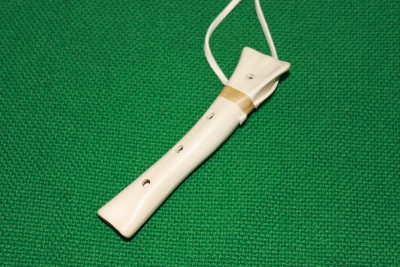
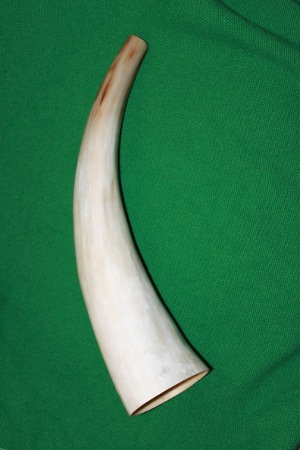 I now own four replica instruments based on Anglo-Saxon originals so I thought I would show them today.
First I have the Horn. This is an Ox-horn. Horns were used in battle as signals but also in ceremonial matters. The lord of a hall might summon his people to feast by standing at the door and blowing the horn. It is played by holding it in the corner of your mouth and blowing raspberries across it.
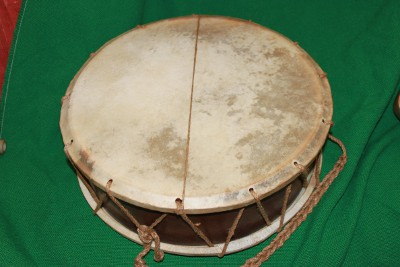
Drums were certainly used. There are more difficult to replicate as nothing much now survives -- drums being made of animal skin and wood. Animal skin would have been stretched over a wooden hoop and tightened by rope.
Finally here is my lyre. Its made of yew. (Various woods were used.) It has six strings and can create a range of chords, notes and a good deal of noise. We are lucky that King Redwald of East Anglia was buried with a Lyre in his famous Sutton Hoo ship burial. Part of this lyre survives and allows for a decent replica.The original lyre is in the British Museum.

This is the original Sutton Hoo Lyre in the British Museum:

---------------------------------------------------------------
Richard Denning is an author of historical fiction. His main period is the early Anglo-Saxon Era. The Amber Treasure, first book of the Northern Crown Series is a B.R.A.G Medallion winner. Shield Maiden, first book of the Nine Worlds Series is a Children's Literary Classics Silver Medalist. Find out more http://www.richarddenning.co.uk/

