by Richard Denning
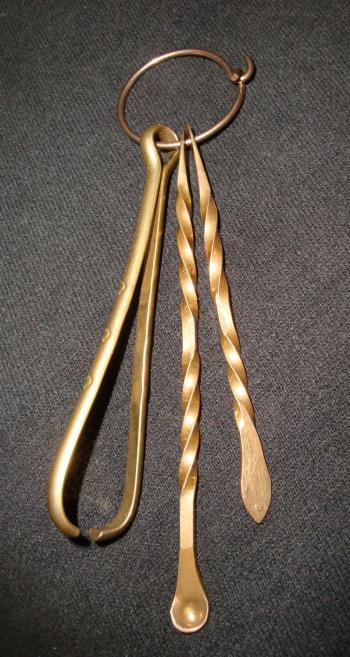
We tend to think that the majority of the people that came before us were dirty and smelly - maybe with the exception of the Romans and their bath houses. Was this true of the Anglo-Saxons? What evidence is there of their bathroom habits? One item which has been found in many burial sites from the pagan era (roughly 5th to 8th centuries) are sets of usually bronze or sometimes bone consisting of usually three items. There were tweezers for cutting nails or removing unwanted hairs, little spoons for scooping wax from your ears and picks for removing dirt from behind the finger nails.

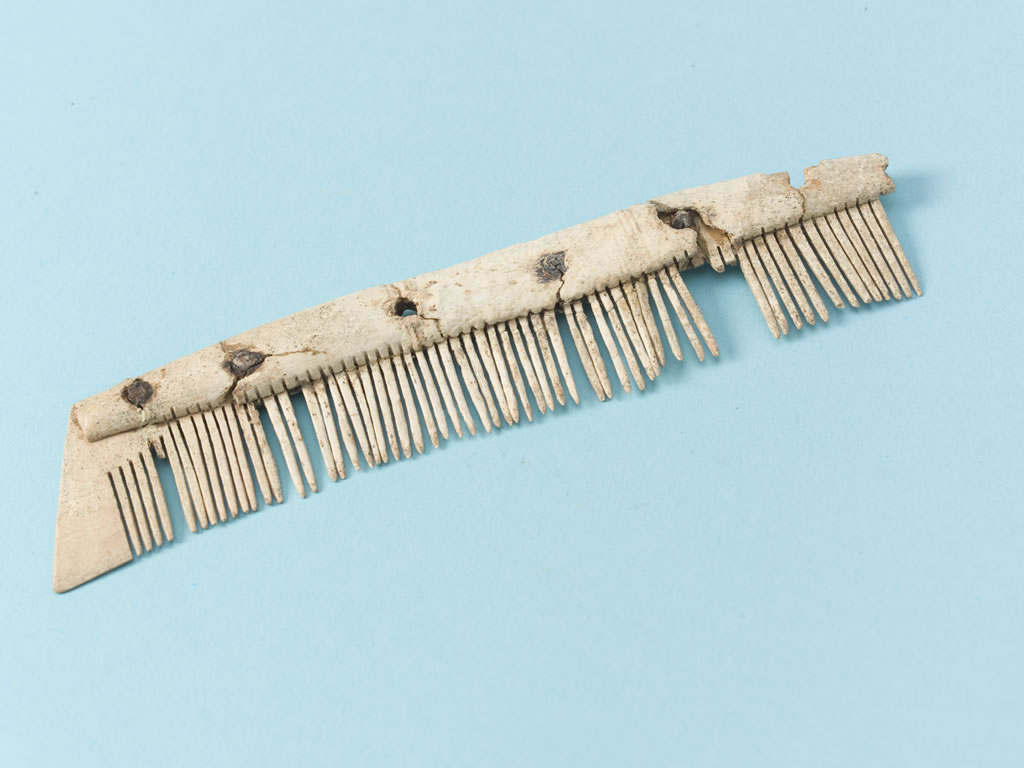
So they seemed to bother about their nails. They also took care of their hair. Many combs have been found in graves and these are usually made from bone, antler or horn.

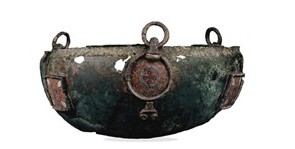
What about bathing and washing? Well it seems that the Saxons were not regular practitioners of whole body immersion. Even so they would bath a few times a year and particularly when they got married. They would also use baths as a medicinal method. This is shown by recipes in Bald's Leechbook (a collection of Anglo-Saxon cures). For example, Oakbark was used in baths to ease aching thighs. He also refers to the herb Lion's foot, baths of which can help a "bewitched" patient. Whilst whole body bathing was less commonly done, washing of the hands and feet was done daily, and usually they would wash hands before a meal. Indeed, the washing of hands at the start of a feast was, it seems, part of the ceremony. The Sutton Hoo burial included, suspended in chains, a fine bowl in which all guests would be invited to wash their hands before eating - a sensible precaution given the fact that you were often eating with your hands and taking food from common bowls and plates.

Even though the Anglo-Saxons might not bathe often, they were familiar with a huge range of plants and herbs - like Rosemary and Lavender which have strong aromas and could be used when washing one's hair, clothes or hands or just around the house to fragrance it. In conclusion, they may not have been as clean and well groomed as modern tastes may prefer, but I am sure they would not have stunk to the extent we might expect.
~~~~~~~~~~~~~
Explore the darkest years of the dark ages with Cerdic.
www.richarddenning.co.uk Amazon

We tend to think that the majority of the people that came before us were dirty and smelly - maybe with the exception of the Romans and their bath houses. Was this true of the Anglo-Saxons? What evidence is there of their bathroom habits? One item which has been found in many burial sites from the pagan era (roughly 5th to 8th centuries) are sets of usually bronze or sometimes bone consisting of usually three items. There were tweezers for cutting nails or removing unwanted hairs, little spoons for scooping wax from your ears and picks for removing dirt from behind the finger nails.
So they seemed to bother about their nails. They also took care of their hair. Many combs have been found in graves and these are usually made from bone, antler or horn.
What about bathing and washing? Well it seems that the Saxons were not regular practitioners of whole body immersion. Even so they would bath a few times a year and particularly when they got married. They would also use baths as a medicinal method. This is shown by recipes in Bald's Leechbook (a collection of Anglo-Saxon cures). For example, Oakbark was used in baths to ease aching thighs. He also refers to the herb Lion's foot, baths of which can help a "bewitched" patient. Whilst whole body bathing was less commonly done, washing of the hands and feet was done daily, and usually they would wash hands before a meal. Indeed, the washing of hands at the start of a feast was, it seems, part of the ceremony. The Sutton Hoo burial included, suspended in chains, a fine bowl in which all guests would be invited to wash their hands before eating - a sensible precaution given the fact that you were often eating with your hands and taking food from common bowls and plates.
Even though the Anglo-Saxons might not bathe often, they were familiar with a huge range of plants and herbs - like Rosemary and Lavender which have strong aromas and could be used when washing one's hair, clothes or hands or just around the house to fragrance it. In conclusion, they may not have been as clean and well groomed as modern tastes may prefer, but I am sure they would not have stunk to the extent we might expect.
~~~~~~~~~~~~~
Richard Denning is a historical fiction author whose main period of interest is the Early Anglo-Saxon Era. His Northern Crown series explores the late 6th and early 7th centuries through the eyes of a young Saxon lord.
www.richarddenning.co.uk Amazon