Showing posts with label Eliza Smith. Show all posts

Friday, February 28, 2020

Cold Remedies Before the Modern Era: The Posset

by Lauren Gilbert

Being February, the subject of health, particularly the way to cope with colds and flu, is of great interest. In western medicine, we visit the doctor, or have a chat with a pharmacist. What did they do before modern medicine became available? Home remedies such as willow bark tea or a fever drink, a plaister for a sore throat (a warm wrap for the throat, accompanied by a mixture of honey, juice of houseleek and a little alum blended and taken on a liquorice stick) were possibilities. There was even a specific Recipe to cure a Cold in THE COMPLEAT HOUSEWIFE (containing Venice treacle [also known as theriac, a concoction going back to the Middle Ages of fermented herbs, animal parts, opium and honey], powdered snake root, powdered saffron, hartshorn, and syrup of cloves).

One popular remedy for colds and fevers was the posset.
Silver posset pot, London, England, 1698 
Possets were a fairly simple and nourishing concoction that would have been suitable for adults or children, and would have been easy to drink or eat. As other home remedies evolved (or disappeared), the posset seems to have been a staple, popular for centuries, which isn’t surprising as they were also eaten for pleasure.

Possets go back well before the Georgian or Victorian eras. The name itself goes back to the 15th century. Lady Macbeth slipped her drug into the guards’ possets in Shakespeare’s play Macbeth (Act II, Scene 2). King Charles I was supposedly given a posset by his physician in 1620. A similar word possenet or postnet refers to a small pot or sauce pan, which would have been a practical utensil for making a posset. In 1554, the Spanish ambassador gave Queen Mary I and her husband Philip of Spain a posset set that contained vessels for mixing and serving the possets and for the ingredients needed as a betrothal gift. Such sets could be made of silver, porcelain or pottery and were very popular, and are highly valuable today. (Queen Mary’s set was made of crystal, gold and gems.)
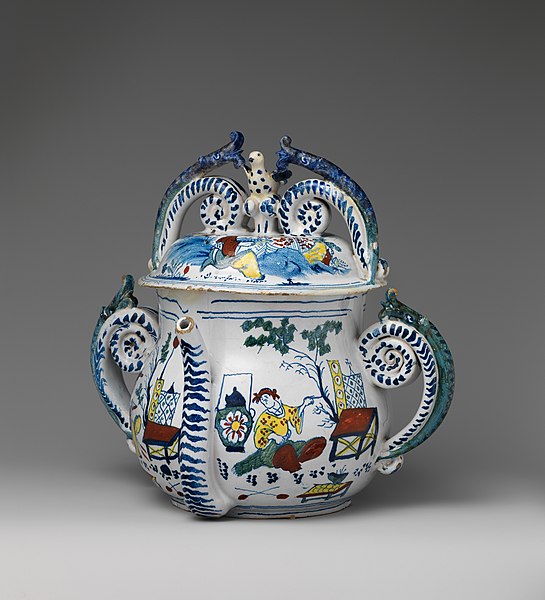
Posset pot with cover, tin-glazed earthen ware

The basic ingredients for a posset include milk or cream, eggs and some kind of alcoholic beverage. At its simplest, it appears that a posset would have been a creamy and nourishing beverage, soothing to a sore throat. There are a number of recipes for possets.

In ELINOR FETTIPLACE’S RECEIPT BOOK, her recipe (which may have come from her mother and go back years before 1647 when she left her book to her niece) contains cream brought to the boil, with egg yolks, nutmeg, sugar and breadcrumbs blended in together. Left to stand before the fire, it would thicken and curdle, at which sack (a fortified wine from Spain or the Canary Islands) and ale were blended it. This may have been more of a custard than a beverage, depending on the quantity of breadcrumbs used (and the taste of the cook).

In A SIP THROUGH TIME A Collection of Old Brewing Recipes, several recipes from 1669 appear. They range from a plain ordinary posset containing no spices, to more elaborate recipes including cinnamon, nutmeg, and ambergris (an excretion from whales found on the beach), and no thickener. These recipes would have resulted in a creamy beverage. There were also recipes with added thickeners including breadcrumbs (as used in Mrs. Fettiplace’s recipe) or French barley. The added thickeners would result in a heavier, more custard-like consistency. The alcohol used in these recipes was primarily Sack wine, varied with muscadine, which were blended with Rhenish or white wine sometimes. Ale did not appear in these recipes.

Eliza Smith included a couple of recipes for posset in her THE COMPLEAT HOUSEWIFE (16th edition, published in 1758), neither of which contained added thickeners. (The quantity of eggs alone would have been sufficient to form a custard consistency.) Both seem to have been designed to be eaten at the table.

Elizabeth Raffald’s THE EXPERIENCED ENGLISH HOUSEKEEPER of 1769 included instructions to temper the wine with hot cream or milk to prevent the posset from curdling. Mrs. Raffald included six recipes using Sack or Lisbon wine, brandy, or ale. She also featured a lemon posset that includes the juice of a lemon, Mountain wine, and orange flower water or French brandy. Although the sack, brandy and wine possets were dishes to be served with toast or tea wafers and eaten, the lemon, almond, and ale possets appear to be more of a beverage or soup consistency.

Posset cup, silver decorated with repouse work, 1764-1765,

Mistress Margaret Dods’ COOK AND HOUSEWIFE’S MANUAL from the mid-1820’s included a sack posset with cream thickened with grated sweet biscuits (cookie crumbs) which was sweetened and spiced with cinnamon and nutmeg; a variation used milk and eggs (instead of the cream and crumbs). Her instructions include warming the wine before adding it. She recommended “pour it quickly from one vessel to another till perfectly smooth....”(1) (Based on these instructions, a consistency similar to modern eggnog or a bit thicker might be expected). There was also an ale posset thickened with breadcrumbs and sweetened but not spiced. This one is ready to be served when the head (curd) rises, so a spoon would have been helpful. 

Instructions with these recipes, especially the earlier versions, allow a cook a great deal of leeway in preparation. For the wealthy, the exotic spices, sugar and wine would have been easily procured. For those of lower income, ale and honey could have been substituted. It can be made with or without eggs. A variation of the posset would have been available to many households to provide a measure of warmth and comfort to a family member suffering from a fever or a cold. A posset would also be a welcome and soothing treat, especially if particular tired or distressed.

Lemon posset with almond bread 
Possets are still enjoyed today as a dessert. A simple internet search will generate numerous recipes for possets for the modern cook. (Lemon posset seems to be particularly popular these days.) With a consistency somewhere between a pudding and a custard, the posset can be found on menus and tables. Even though we would not consider them a medicament, their soothing sweetness is still enjoyed after all these centuries.

(1) Dods, Mistress Margaret. COOK AND HOUSEWIFE’S MANUAL. Page 463.

Image credits

Silver posset pot, London, England, 1698, Science Museum, London, Wellcome Images (CC BY 4.0) http://wellcomeimages.org

Posset pot with cover, tin-glazed earthen ware (British, Bristol, early 18th Century) Metropolitan Museum of Art / CC0

Posset cup, silver decorated with repouse work, 1764-1765, Wellcome Library, London. (CC BY 4.0)

Lemon posset with almond bread by jules, CC BY

Sources include:

Dods, Mistress Margaret. COOK AND HOUSEWIFE’S MANUAL. First published 1829 by Oliver & Boyd, Edinburgh. This edition was published in 1988 by Rosters Ltd., London.

Raffald, Elizabeth. THE EXPERIENCED ENGLISH HOUSEKEEPER. First published 1769. This edition was published in 1997 by Southover Press, Lewes.

Renfrow, Cindy. A SIP THROUGH TIME A Collection of Old Brewing Recipes. 4th printing April 2008.

Smith, Eliza. THE COMPLEAT HOUSEWIFE. The Sixteenth Edition, with Additions. First published in 1758. This edition published 1994 by Studio Editions Ltd., London.

Spurling, Hilary. ELINOR FETTIPLACE’S RECIPT BOOK. Published 1986 by Penguin Books Ltd., Harmondsworth.

Britishfoodhistory.com “Possets” posted April 28, 2012.

Theguardian.com “Historic recipes: Sack posset, a rich pudding to cure all ills” by Regula Ysewijn, posted April 7, 2016.

Pepysdiary.com “Posset”. (Copied from Wikimedia 12 February 2020).

~~~~~~~~~~~

Lauren Gilbert lives in Florida with her husband. Her first book, HEYERWOOD: A Novel was published in 2011. She has articles in CASTLES, CUSTOMS AND KINGS volumes 1 and 2. She has just released her second novel, A RATIONAL ATTACHMENT, and is working on a non-fiction book. Visit her website or her Facebook author page for more information.


Friday, September 29, 2017

The Comfort of Soup

by Lauren Gilbert

Dinner at Haddo House, 1884 by Edward Emslie

It’s officially autumn (even though the temperatures do not reflect it where I live), and my menu planning is making a seasonal shift. As temperatures cool and winter approaches, a richer and more sustaining menu appeals. Soup is a favourite of mine for this time of year. An ancient dish, I suspect it evolved as soon as man figured out how to put edible things in a pot of water over heat. Soup is featured in virtually all culinary traditions and, of course, is a significant part of food history in Great Britain. As a history enthusiast, I enjoy reading details of normal life, including food, whether I’m reading fiction or non-fiction, as it gives an immediacy and life to the material.

The Forme of Cury

Peasant fare, elegant fare, or invalid fare, soup was a staple of the British diet. Early cookery books don’t show as many recipes for soup as for other dishes. I suspect this is because it was assumed that individuals already knew how to make the standard daily dish for the household, made from local ingredients to personal taste. The Forme of Cury, a cookbook from c. 1390 (originally a scroll showing authorship by “the Chief Master Cooks of King Richard II”), contained some soup recipes designed to be served to the nobility. The names frequently included “soppes” or sowp” as the dish was served over bread. One was “Fenkel in Soppes” which was shredded fennel, cooked in water and oil with onions, seasoned with saffron, salt and a spice mixture (“powder douce” which was a sweet spice mixture, left to the cook’s taste, that would contain some combination of cinnamon, galangal (related to ginger), nutmeg, sugar, etc.). It was served over toasted bread. Another similar recipe was “Slete Soppes”, which called for sliced leeks (white part only) to be cooked in wine, oil and salt, also served over toasted bread. A rather different matter is a “Cold Brewet”, which combines ground almonds cooked in wine and vinegar, seasoned with aniseed, sugar, green fennel shoots with ginger and cloves and mace. Cooked chopped kid and chicken meat is transferred to a clean dish, seasoned with salt and pepper, and boiled with the almond mixture. This soup was served cold.


Soup also had a medicinal function. Lady Elinor Fettiplace, during the Elizabethan era, put together a household book which included a recipe for almond soup designed for “a weake Back” in her recipes for October. For this soup, a rack of mutton and a chicken were boiled in water with raisins, prunes, and the roots and leaves of ditch fern until the meat was tender. The meat was removed and the broth strained. (Additional broth should be crushed out of the meat.) The broth was then thickened with ground almonds. The recommended dosage was 12 spoonfuls in the morning (fasting, i.e. before eating anything), and 12 spoonfuls before dinner.


There were also soups designed for particular religious periods. Hannah Glasse’s The Art of Cookery Made Plain and Easy         included a section of a Variety of Dishes for Lent, which included eel soup. This recipe harked back to the medieval recipes as it was served over toasted bread. For every pound of eels used, the cook used a quart of water, a crust of bread, 2 or 3 blades of mace, pepper, an onion and a bundle of sweet herbs. (One pound of eels made a pint of soup, so the cook could control the quantity accordingly.) The pot was covered tightly and boiled until half the liquid was gone. The broth was then strained. Bread was toasted, cut into small pieces and placed in a dish; the broth was then poured over it.


During the Georgian era, turtle soup was considered the ultimate in elegant fare. Live sea turtles were captured and kept for fresh meat by sailors. Any left were brought in by sailors returning to port in the 1740’s-1750’s and sold for very high prices to the nobility. The popularity of the turtle was assured. At one point, as many as 15,000 live turtles were brought into England in a year. Different cuts of turtle meat had flavours reminiscent of fish, veal, beef or pork. The Compleat Housewife by Eliza Smith contains instructions for cleaning and preparing turtle soup. Once the meat from the body and fins are cleaned, cut them in pieces and stew together until tender, then strain off the liquid. Thicken the liquid and put the meat back in with kyon butter (possibly a compound butter of some kind), spices, pepper, salt, shallots, sweet herbs and Madeira wine to taste. The dish is put into the deep shell of the turtle, and baked in the oven. The extreme cost of a live turtle and the flavours of the meat resulted in recipes for Mock Turtle Soup, which used a variety of substitutions for the turtle, including beef, veal, oysters, tongue and calves’ heads. Hanna Glasse’s recipe includes a calf’s head (including the tongue and brains), veal broth, force-meat balls and eggs. The 67th edition of Mrs. Rundell’s A New System of Domestic Cookery published in 1844 contains 3 recipes for Mock Turtle Soup. Mock Turtle Soup maintained its popularity into the 20th century. (One could even find canned varieties.) Lewis Carroll based his character, the Mock Turtle, in Alice in Wonderland on this soup (a turtle with the head and back feet of a cow).

The Mock Turtle from ALICE IN WONDERLAND by John Tenniel

Soup recipes evolved over time as new ingredients became available and tastes changed. A classic example of this was Mulligatawny Soup. This soup was a chicken soup flavoured with curry. Rea Tannahill in Food in History indicated this soup appeared in England in the 18th century. British trade in India had been established since the 17th century and curry became a popular seasoning during the Georgian era. By the Victorian era, this soup was very popular. The edition of Mrs. Rundell’s A New System of Domestic Cookery mentioned previously has 4 recipes. The word “mulligatawny” (also spelled Multaanee and Malagatanee) was a corruption of the Tamil for pepper water. (The Tamil are an ethic group found in India and Sri Lanka.) The basic recipe called for onions and shallots, 2 chickens (or rabbits) pepper, butter, curry powder and turmeric, 2 quarts of strong broth, lemon juice and, if desired, a little curry powder to make it hotter. Keep in mind that curry powder was a spice mix made at home, to personal taste. (See English Historical Fiction Authors blog HERE.) One variation included cloves, and some garlic; another was made with veal, and the fourth included peas. This was a good way to use up leftover meat or vegetables. Subsequent versions included chopped apples. Cream could also be added; coconut milk may have been included. This soup is also still popular today.

Over the centuries, soup has been a common thread in culinary history. As we look back at some of the older recipes, the variety of seasonings and ingredients that are used today may seem surprising. We may not combine ingredients in exactly the same way, but it is easy to imagine how some of these soups may taste and the pleasure felt by the diners as they enjoyed them, whether elegantly spooning turtle soup at a formal dinner or enjoying the warmth of mulligatawny soup on a cold fall evening.

"Fall In For Soup", engraving by Edwin Forbes 1876

Sources include:

Dickson Wright, Clarissa. A History of English Food. 2011: Random House Books, London.

Glasse, The Art of Cookery Made Plain and Easy. A new Edition, with modern Improvements. Introduction by Karen Hess. 1805: Cottom & Stewart, Alexandria, VA. (Facsimile by Applewood Books, Bedford, MA)

Rundell, Maria Eliza Kettelby. A New System of Domestic Cookery: Founded Upon Principles of Economy and Adapted to the Use of Private Families. From the Sixty-Seventh London Edition. 1844: Carey and Hart, Philadelphia, PA. (Nabu Public Domain Reprint)

Smith, Eliza. The Compleat Housewife. 16th edition, with Additions. 1858: London. (Reprint edition published 1944: Studio Editions Ltd., London)

Spurling, Hilary. Elinor Fettiplace's Receipt Book. 1986: Penguiin Books Ltd. Hammmondsworth, England.

Tannahill, Reay. Food in History. 1988: Three Rivers Press, New York, NY.

Websites:

THE FORME OF CURY. HERE

History.com. “A Spot of Curry: Anglo-Indian Cuisine” by Stephanie Butler, April 26, 2013. HERE

GoogleBooks.com. Rumble, Victoria R. SOUP THROUGH THE AGES: A Culinary History with Period Recipes. 2009: McFarland & Company, Ind. Jefferson, NC and London. HERE

All illustrations from Wikimedia Commons Images, except for the cover of Elinor Fettiplace's Receipt Book, which is a scan of my personal copy.

About the author:

Lauren Gilbert holds a BA in English and is a long-time member of JASNA. She lives in Florida with her husband, and is the author of Heyerwood; a Novel. Another book, A Rational Attachment, is in process and will be coming soon. Please visit her website HERE for more information.


Sunday, January 31, 2016

Collared...

by Lauren Gilbert

Cook with Food

While you may suspect that this article is about the capture of a criminal, today we are actually looking at food.   English cuisine in the Georgian and Regency era is a special interest for me. I enjoy learning about old cooking techniques and dishes.  As a reader and writer of historical fiction, I think the inclusion of the foods of a given period makes the work more interesting and brings the time alive.  After all, we all have to eat, and we can all relate to a discussion of food.

Collaring involves seasoning, rolling and binding your food material.  It can be rolled and tied in a cloth or bound with string. The roll itself is referred to as a collar.   It can be pickled or boiled or baked.  It can be chopped or shredded, or a whole piece.

I have found several recipes for collared beef, pork and mutton, and a few for collared eel.  The results range from a pickled dish to one that sounds similar to a rolled stuffed roast.  Many of these dishes are heavily salted, and the recipes indicate that they can be stored for a time.   Recipes for collared meats go back to Elizabethan times and were popular through the Georgian and Regency eras.

The Elizabethan recipe for collared beef that I read had no list of ingredients.  Quantities are not shown, so the amount of seasoning used would have been a matter of personal taste.  I suspect the particular spices and herbs used would have varied with what the cook could afford and the season of the year.  The recipe and technique, which includes soaking in salted water, can be read in its entirety at the link provided below for the Elizabethan Era site.  The finished product would be cooled, and served in slices.  As you can see, the final dish sounds very much like a rolled roast we might serve today.


In THE ART OF COOKERY MADE PLAIN AND EASY, Mrs. Glasse’s recipe for collared beef is included in the section TO CURE HAMS, &c.  Mrs. Glasse used a dry brining of salt, salt petre, and sugar combined, with which she rubbed the beef flank.  The meat was turned and rubbed with the brine for 8 days, then rinsed and dried.  It was then seasoned with herbs and spices, rolled very tight, wrapped in a cloth and tied.  The collared beef was then boiled in water  (five hours if a small one, 6 if a large one), then removed and cooled in a press (or between two boards with a weight).  When cooled , the collar was removed from the cloth and sliced for serving.


Eliza Smith, in THE COMPLEAT HOUSEWIFE, included recipes for collared salmon and collared eel.  Her salmon was brushed with egg yolk, and then spread with a wide range of ingredients including oysters, lobster, sweet herbs, spices (including cloves, nutmeg and pepper) and breadcrumbs.  It was then rolled and bound.  After a mixture of water, salt and vinegar was brought to a boil, she put in the salmon collar with more herbs and spices.  It was boiled for about 2 hours, and then removed to a pan.  When the cooking liquid was cold, the salmon was replaced in the liquid and let to stand until used.  If not to be eaten at the time, the salmon collar and liquid could have been placed in a pot, which was then filled with purified butter for storage.

On the blog The Cookbook of Unknown Ladies, a recipe for collared brawn is discussed.  Raw meat from the head of a pig was removed, and the pieces placed in salt for 3 days, spiced (including cloves and mace), and wrapped in a cloth.  Then it was boiled in a mixture of vinegar, salt and water until tender.  After being removed from the liquid and cloth, the brawn was wrapped tightly in a fresh cloth and tied, then cooled.  The liquid (referred to as “pickle”) was then brought to a boil with fresh water, and then cooled, and the brawn was kept in the liquid.  (The recipe advises making fresh liquid or liquor every two weeks.)

Although I am not sure how long these dishes could actually be held, I can see how some of these and similar recipes maintained their popularity in English cuisine for several centuries.  The preparations and seasonings used in collaring meat and fish would have allowed for varied flavors and textures.  In the days before refrigeration, being able to prepare and store a dish must have been a blessing, especially if serving an unexpected visitor. Some of these recipes could be readily adapted for modern taste as well.

Sources include:
Glasse, Hannah.  THE ART OF COOKRY MADE PLAIN AND EASY.  First published 1747, new edition published 1805: Cotton and Stewart, Alexandria.  Facsimile of 1805 edition with historical notes by Karen Hess, published 1997: Applewood Books, Bedford, MA.
               
Smith, Eliza.  THE COMPLEAT HOUSEWIFE.  First published 1758.  Facsimile edition published 1994: Studio Editions, Ltd., London, England.

The Cookbook of Unknown Ladies.  "To Collar Meat."  Posted October 2, 2013 by Westminster City Archives.  HERE.  Last viewed 1/30/2016.

Elizabethan Era.  Alchin, L.K., author.  “Collar’d Beef Old Elizabethan Recipe.”   HERE.

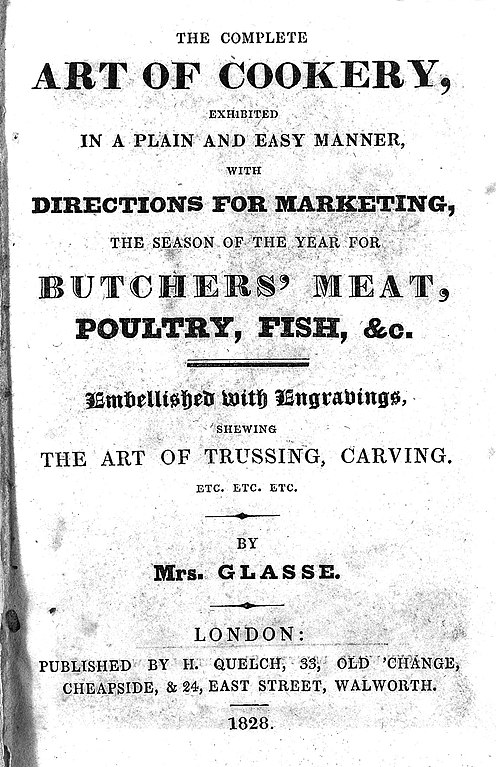
Image for THE ART OF COOKERY MADE PLAIN AND EASY from Wikimedia Commons  HERE

Image "Cook with Food" by Franz Snyders (1579-1657) from Wikimedia Commons HERE

Image for THE COMPLEAT HOUSEWIFE from Wikimedia Commons HERE

~ ~ ~ ~ ~ ~
Lauren Gilbert is the author of HEYERWOOD, A Novel and a member of the Jane Austen Society of North America.  She lives in Florida with her husband, and is working on another novel, A RATIONAL ATTACHMENT.  For more information, visit her website.


Wednesday, May 27, 2015

A Taste for Offal-Tongue and Udder

by Lauren Gilbert


I have a great fondness for old cookbooks, and have a couple of facsimile copies of cookbooks in use during the Georgian era that I use for reference, as I can find bills of fare for every month of the year, and the proper courses for serving. Needing to check on dishes that would have been in season during the months of November and December, I pulled out my copy of The Compleat Housewife: or, Accomplish’d Gentlewoman’s Companion by Eliza Smith. As I leafed through, I paused at the May entry and spotted “Roasted Tongues and Udders.” After visualizing for a moment, I went on to December, and there I found “Roasted Tongue and Udder, and Hare.”

While I am no stranger to unusual dishes, I must confess that these menu items gave me pause. I wrote about the pupton on my own blog, which included a description of a “Pulpatoon of Pigeon”. I ventured into the area of offal in a discussion of “Ragooed Palates” which sounded surprisingly tasty. I am no stranger to the concept of tongue, with beef tongue as a main dish and in sandwiches being popular well into the 20th century, and fairly easy to find in my grocery store today. However, the idea of eating udders was something I had not previously considered.

In Mrs. Smith’s book, the following recipe appears: To roast a Tongue, or Udder. Take your Tongue or udder and parboil it, then stick into it ten or twelve cloves, and while it is roasting baste it with butter. When it is ready take it up, and send it t0 table with some gravy and sweet sauce.” (1) Apparently, since this method applied to both items, one could cook them together.


However, another recipe I found called for salting the tongue, letting it sit a few days, boiling with “a fine young udder” (2) until tender, then roasting them together with a basting of red wine and finishing with butter. After sticking the udder with cloves, this dish was served with gravy and a current jelly sauce. Hannah Glasse’s THE ART OF COOKERY MADE PLAIN AND EASY had a recipe that boils the tongue and udder together, calls for the insertion of cloves and basting with butter. However, her recipe calls for gravy and “gallintine-sauce” (her gallintine-sauce was made with bread crumbs, water, red wine and some sugar; there is a link below with a medieval recipe). I did not find a recipe that detailed the cooking of the tongue and udder with the hare all together. All of the recipes have sweetness in common, which seems odd to my modern taste.

Since this dish appears to have been fairly common over centuries, with recipes readily available, and served in the spring as well as the winter, it would be easy to assume it was popular fare. However, in my mind, offal in general is a very specific taste: one either likes it or does not. Samuel Pepys, the 17th century diarist, apparently relished it.(3) However, Parson James Woodforde commented in 1763 after a meal which included this dish, “...I shall not dine on a roasted tongue and udder again soon”....(4) Although I am open to trying new flavours, I suspect I might have more in common with Parson Woodforde than with Mr. Pepys. However, a roasted tongue and udder would certainly make an interesting addition to a winter dinner table in Georgian England.

Sources include:
Foodreference.com. “Roast Tongue and Udder.” (c) James T. Ehler, 1990-2015. (Footnote 2.) http://www.foodreference.com/html/r-tongue-udder-1209.html
HistoryNeedsYou. .“Recipe for Gallantine Sauce.” Posted 9/12/2012. http://www.historyneedsyou.com/blog/recipe-for-galantine-a-spicy-sauce-for-meat-c1390
Glasse, Hannah. THE ART OF COOKERY Made PLAIN AND EASY. A new EDITION, with modern Improvements. This edition first published 1805. Reprint published Bedford, MA: Applewood Books, 1997.
Smith, Eliza. The Compleat HOUSEWIFE: or Accomplished Gentlewoman’s COMPANION. First published 1758. Facsimile published London: Studio Editions Ltd., 1994. (Footnote 1 found on page 20)
TheOldFoodie.com “The Parson’s Tongue and Other Parts.” Posted 2/19/2006 by The Old Foodie. (Footnotes 3 and 4) http://www.theoldfoodie.com/2006/02/parsons-tongue-and-other-parts.html

Image “The Canon’s Dinner” from Wikimedia Commons.
Image “Frontispiece and Title Page of The Compleat Housewife: or Accomplished Gentlewoman’s Companion by Eliza Smith” from Wikimedia Commons

You can read in my blog The World of Heyerwood about puptons here https://laurengilbertheyerwood.wordpress.com/2012/04/29/food-in-history-what-is-a-pupton and a
bout ragooed palates here https://laurengilbertheyerwood.wordpress.com/2012/12/20/christmas-dinner-now-and-then 

~~~~~~~~~~~~~~

Lauren Gilbert lives in Florida with her husband and is working on a new novel, tentatively titled A Rational Attachment.  At least one interesting Georgian dish will be featured!  Her first published book, HEYERWOOD: A Novel, is available through Amazon.com and other outlets.  Visit her website at www.lauren-gilbert.com for more information. 


Sunday, March 30, 2014

In a Pickle

by Lauren Gilbert

Being American, when I think of “pickle”, I think of pickled cucumbers heavy with dill and garlic. Pickled beets, too, are a favourite of mine. However, in Georgian England, a wide range of foods was pickled, as it was still a common method of preservation. Many exotic foods from other parts of the world became popular in a pickled form, as that was the only way they could be preserved for shipping.

Pickling, as in preserving via a brine or salt solution, has been known since ancient times. Some attribute it to the ancient Egyptians. China, Mesopotamia and India also used this method. (Pickled cucumbers were a favourite in ancient India.) Once disseminated to the Romans, the rest, as they say, is history. In one form or another, pickling has been used for centuries in virtually all cultures. The word pickle itself is supposed to derive from the old Dutch “pekel” which meant the pickling brine or a spicy sauce. Pickling was a common method of preserving seasonal food for later use. The item to be pickled was usually steeped in brine (usually water with a quantity of salt “enough to float an egg”) and then boiled in a mixture of vinegar, salt and other spices. The early cook books are filled with recipes for a variety of pickled vegetables and other items.

In England, pickles of various kinds have always been popular. However, it is important to realize that a wide range of foodstuffs were pickled, ranging from various vegetables, to eggs, fish, meats and poultry. Today, we forget that eggs and vegetables were once seasonal foods, and pickling was a favourite means of extending their shelf life. The addition of spices, sugar and herbs imparted a strong flavour that must have made dining much more pleasurable, especially during the colder months when pickled foods would have been consumed most frequently. Elizabeth I and Samuel Pepys were known to be fond of pickles and pickled fruits and vegetables of all kinds were commonly served on their own in pickle dishes or used in sauces.

A popular dish in England for centuries was puffin meat and, in the Georgian era, pickled puffin was quite popular. A sea bird whose diet is mainly fish, pickling not only preserved the meat but helped to reduce the strong fishy taste. The Cookbook of Unknown Ladies blog posted a recipe for pigeons “to make pigeons look like puffins” (this would appeal to someone who could not afford puffin meat which was a delicacy). This recipe includes boiling the meat in a mixture that included vinegar. While it was intended to be eaten right away, the recipe contains an additional step: “If you keep them anytime, boyle the pickle again & put it to them when cold.” (Eliza Smith also has a recipe for pickled pigeon which, when served, were eaten with vinegar and oil.)

“India pickle” was a popular pickle during the Georgian era. In Hannah Glasse’s cookbooks, the recipe for “Indian pickle” contains turmeric, garlic, mustard seed, “long pepper” (an Indian flowering vine which fruit is dried and used as a seasoning and is hotter than black pepper), and ginger mixed in vinegar in which two cabbages and two cauliflowers are pickled. In A Jane Austen Household Book, a similar combination of ingredients is used. This dish evolved to piccalilli which is still common.

Clearly a wide range of foods were consumed as a pickle. Eliza Smith, Hannah Glasse and others preserved recipes for pickled ham and tongue, nasturtium buds, quinces, asparagus, oysters and lobsters. Multiple ways to pickle walnuts mushroom and fruits were known. The spices and seasonings used evolved as availability and affordability increased. The term “pickle” had a much broader culinary meaning than most of us know today.

Sources

Glasse, Hannah. The Art of Cookery Made Plain and Easy. (Facsimile of first American edition published in 1805, reprinted1997 by Applewood Books, Bedford, MA).

Hickman, Peggy. A Jane Austen Household Book with Martha Lloyd’s recipes.

Smith, Eliza. The Compleat Housewife. (First published 1758, published 1994 by Studio Editions Ltd., London, England).

The Food Timeline.

British History Online. Dictionary of Traded Goods and Commodities 1550-1820, by Nancy Cox and Karen Dannehl, 2007.

InDepthInfo.com  In Depth Info on Pickles.  “Pickle History.”

~~~~~~~~~~~~~

Lauren Gilbert, author of Heyerwood, A Novel, lives in Florida with her husband.  Visit her website to find out more.  Her second book is due out later this year.