
by Maria Grace
~~~~~~~~~~~~
 Maria Grace is the author of Darcy's Decision, The Future Mrs. Darcy, All the Appearance of Goodness, and Twelfth Night at Longbourn, Remember the Past, and Mistaking Her Character. Click here to find her books on Amazon. For more on her writing and other Random Bits of Fascination, visit her website. You can also like her on Facebook, follow on Twitter or email her.
Since few of us have experience with live-in domestic servants, it is difficult to get a really good sense of the nature of domestic service and the relationship between Regency era employers and employees. A glimpse at some of the laws respecting masters and servants illustrates some of the prevailing concerns and challenges of the era.
Conflicts between servants and masters were a common source of household strife. The legal system was clogged with these complaints. The average servant did not stay more than two or three years in any single situation. The archetype of the servant spending a lifetime with a household was the rare exception rather than the rule. Taken together, these realities suggest that employee servants might not have been the painless luxury the modern mind imagines.
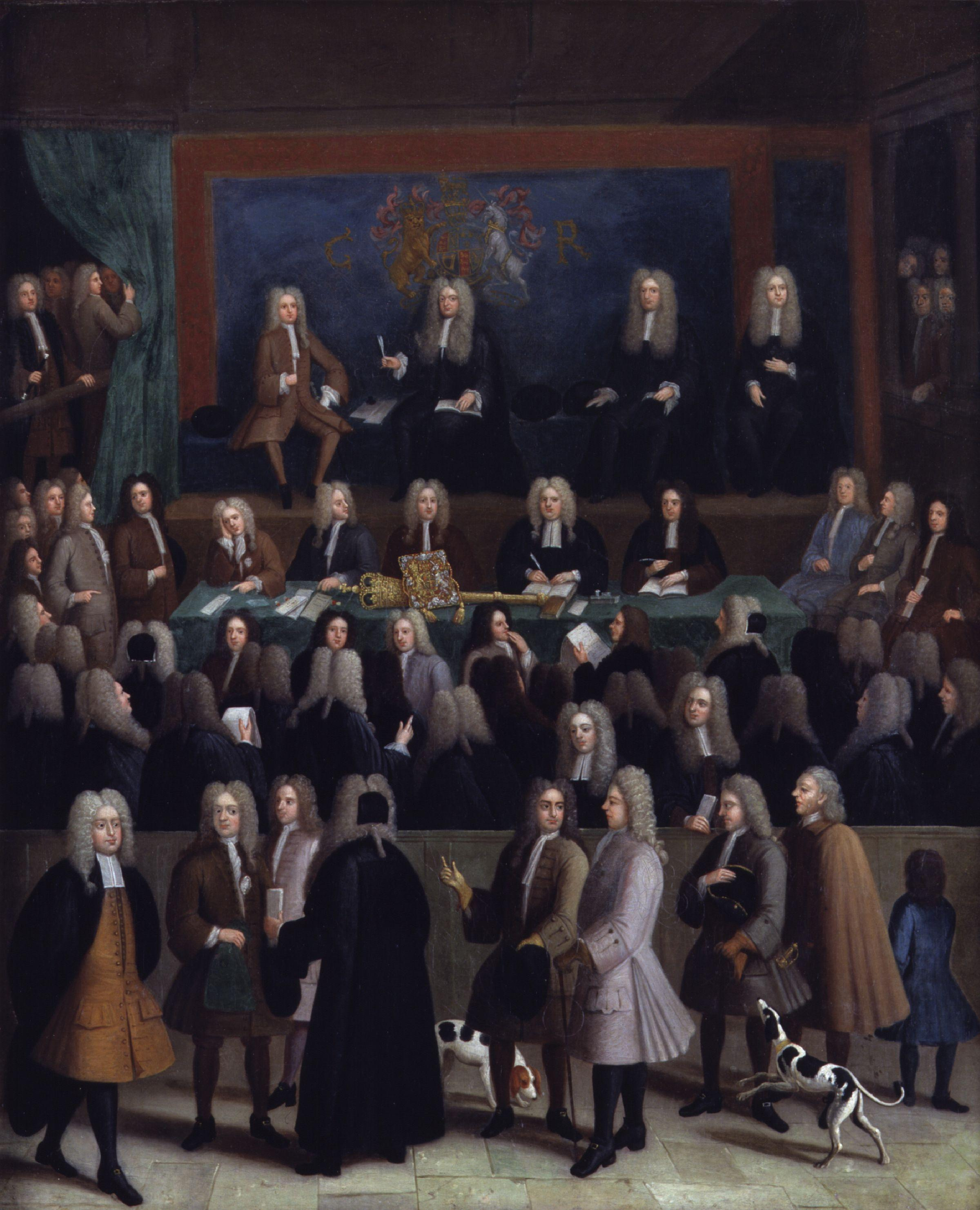
As expected, various laws dealt with the hiring and firing and payment of wages. In addition, a variety of statutes addressed the behavior of the servant during his/her term of service, and character references related to employment.
Contracts between servants and masters could be written or verbal agreements, preferably witnessed by another individual. Clearly a purely verbal agreement, even one witnessed, could be problematic to enforce.
Unless otherwise stated, hiring was assumed to be for a ‘year certain’, a full twelve months. The contract would be assumed to continue at the end of that term unless a full quarter’s notice was given by either party
If a contract was established for less than a year’s work, then a month’s warning or a month’s wages were required to end the contract early.
If a master sought to discharge a servant (without cause) before their contract was over, he had to offer a full quarter’s notice (or a month if the contract was less than a year) or pay a quarter (or a month’s) worth of wages at the time of discharge. Failure to do so resulted in a forty shilling fine.
If a servant wished to leave their employment he or she had to offer the same quarter’s (or month’s notice.) Failure to do so could lead to forfeiture of wages and possibly imprisonment. However if both parties wished to terminate the contract, they might do so without penalty.
Things became more complicated with an under-age servant. Many young maids, sometimes as young as eleven were hired for the scullery or maid of all work positions. According to the law, no agreement made by a servant under the age of twenty one with his master could be made to operate against that servant.
An employer could discharge a servant for cause. Depending on the situation, a magistrate or justice might have to approve the action. If the servant committed moral infamy or was taken into legal custody for any offence committed during the time of service, the servant could be discharged without the order of the justice.
By the same token, a master could not discharge a yearly servant for what were considered ‘acts of God.’ These included illness, disability or insanity taking place during the time of contracted labor. Moreover, masters were required to continue paying wages for the full time of the contract under these circumstances. At the end of the year’s hire though, all responsibility of the master ended.
Wage disputes were not uncommon. Magistrates settled complaints under ten pounds a year. This represented the wages of the lowest and most commonly hired servants—maids of all work. Complaints of more than that had to be handled through the court system.
Servants could register complaints for unpaid wages, insufficient maintenance (room, board, and allowances), or other ill-treatment at his master’s hand. If a justice agreed, the employment contract could be terminated by the justice.
_-_WGA04759.jpg) If a pregnant woman was hired and her pregnancy was unknown or she became pregnant during her term of service, she might be discharged with the agreement of a magistrate. If the master did not discharge her before a magistrate, then he was required to pay wages through her delivery and a month beyond. In practice, pregnancy ended many employment contracts.
If a pregnant woman was hired and her pregnancy was unknown or she became pregnant during her term of service, she might be discharged with the agreement of a magistrate. If the master did not discharge her before a magistrate, then he was required to pay wages through her delivery and a month beyond. In practice, pregnancy ended many employment contracts.
Conflicts between servants and masters were a common source of household strife. The legal system was clogged with these complaints. The average servant did not stay more than two or three years in any single situation. The archetype of the servant spending a lifetime with a household was the rare exception rather than the rule. Taken together, these realities suggest that employee servants might not have been the painless luxury the modern mind imagines.
Laws Governing Masters and Servants, 1825
As expected, various laws dealt with the hiring and firing and payment of wages. In addition, a variety of statutes addressed the behavior of the servant during his/her term of service, and character references related to employment.
Employment contracts
Contracts between servants and masters could be written or verbal agreements, preferably witnessed by another individual. Clearly a purely verbal agreement, even one witnessed, could be problematic to enforce.
Unless otherwise stated, hiring was assumed to be for a ‘year certain’, a full twelve months. The contract would be assumed to continue at the end of that term unless a full quarter’s notice was given by either party
If a contract was established for less than a year’s work, then a month’s warning or a month’s wages were required to end the contract early.
If a master sought to discharge a servant (without cause) before their contract was over, he had to offer a full quarter’s notice (or a month if the contract was less than a year) or pay a quarter (or a month’s) worth of wages at the time of discharge. Failure to do so resulted in a forty shilling fine.
If a servant wished to leave their employment he or she had to offer the same quarter’s (or month’s notice.) Failure to do so could lead to forfeiture of wages and possibly imprisonment. However if both parties wished to terminate the contract, they might do so without penalty.
Things became more complicated with an under-age servant. Many young maids, sometimes as young as eleven were hired for the scullery or maid of all work positions. According to the law, no agreement made by a servant under the age of twenty one with his master could be made to operate against that servant.
Discharging a Servant
An employer could discharge a servant for cause. Depending on the situation, a magistrate or justice might have to approve the action. If the servant committed moral infamy or was taken into legal custody for any offence committed during the time of service, the servant could be discharged without the order of the justice.
By the same token, a master could not discharge a yearly servant for what were considered ‘acts of God.’ These included illness, disability or insanity taking place during the time of contracted labor. Moreover, masters were required to continue paying wages for the full time of the contract under these circumstances. At the end of the year’s hire though, all responsibility of the master ended.
Wage Disputes
Wage disputes were not uncommon. Magistrates settled complaints under ten pounds a year. This represented the wages of the lowest and most commonly hired servants—maids of all work. Complaints of more than that had to be handled through the court system.
Servants could register complaints for unpaid wages, insufficient maintenance (room, board, and allowances), or other ill-treatment at his master’s hand. If a justice agreed, the employment contract could be terminated by the justice.
Quitting Service
A female servant who entered into service while married or became married during her contract was required to complete her contract. Her husband could not require her discharge from her position, but the situation was ripe for conflict. Thus, married female servants were far less desirable.
In an era without the information technology and communication infrastructure we take for granted, ‘characters’, letters of reference written by a master attesting to the quality of an individual’s service, were critical in obtaining positions.
False, forged, counterfeited or altered characters—attested to by the oath of one witness, before two justices was punishable by a fine of twenty pounds (half of which was payable to the informant, who was also likely to be the sworn witness). If unable to pay the fine, the servant was committed to one to three months of hard labor.
Servants were often disgruntled by bad character references. Masters could only be prosecuted if a character was proved not only false, but malicious as well.
Servants who quit or provided unsatisfactory work might be denied a character at all. No laws required a master to provide this document necessary to obtaining further employment.
In most circumstances a master was considered liable for the actions of his servant. Whether in the course of carrying out a direct order or acting in the course of ordinary and appropriate business, the master was liable for his servant’s actions. Similarly, the inactions or neglect of a servant acting on lawful commands, also constituted liabilities on the master’s part.
A servant coming to the physical defense of a master or mistress was not liable to punishment. Likewise, a servant could not be held liable for a loss to his master except in cases of fraud or gross negligence.
Outside of these situations, the servant was considered subject to criminal and civil laws and punishments for his or her actions.
Good servants were a valuable asset, so the law provided protection for the master/employer’s interest in the servant. A master could file an action for compensation of the loss done to him if another injured, detained or enticed away his servant. Further, a master might be considered justified if he assaulted another in the process of protecting his servant.
The close nature of master-servant interactions opened much concern regarding behavior inappropriate for servants, so legal guidelines for their behavior were set in place. Ironically, servants were expected to behave better than their masters in many cases.
An insolent servant or one who refused to do their duty was first given a warning. If further insolence occurred, a magistrate could commit the servant to prison for the remainder of their term of service. However, the master would be required to pay the servant’s wages during their imprisonment.
Masters could insist that their servants attend church services and could be fined for keeping servants who failed to attend service at least once a month.
Any servant caught gambling at a public house could be taken before a magistrate and fined up to twenty shillings. One fourth of the penalty would be paid to the informant. If unable to pay, a servant could be committed to a month’s hard labor.
Drunkenness, attested to by one witness under oath, in front of a justice, was punishable by a fine of five shillings or six hours in the stocks. After a second offense, the servant would have to offer some form of security that he or she would not offend again.
Similarly, the use of foul or inappropriate language was punishable by a fine of one shilling for the first offense, two for the second, and three for the third. Further offense would be punishable by ten days hard labor.
The servant-master relationship made the master more vulnerable to particular crimes toward person and property. The law spelled out the consequences of these quite clearly.
If, on the oath of one witness, a servant was convicted of negligently setting fire to a house, a fine of one hundred pounds, to be distributed among the sufferers was assessed. Since it was unlikely that the servant could pay such a fine, the servant was more likely to be committed to eighteen months of hard labor.
If a servant more than eighteen years of age took money, goods, bills, bonds, notes, bankers'-drafts, or other valuable security to which he had been entrusted, the crime was considered a felony and punishable as such.
Theft of goods valued over forty shillings also constituted a felony, punishable by fourteen years transportation.
Pawning a master’s goods without permission was penalized with a fine of forty shillings plus the value of the goods pawned. In lieu of the fine, the servant could be sent to prison for three months and be publicly whipped.
Assault on a master, mistress or other person with charge over that servant (like a housekeeper or butler) was punishable by up to a year in prison.
Servants did not appear to enjoy such protections. His or her things, located on the master’s property, could be gone through by the master. A servant could be physically disciplined by their employers. This was especially true for young servants and female lower servants. Upper staff and adult men were far less subject to such treatment. Apart from gross maltreatment, a servant had no legal recourse against ill treatment. Even sexual assault of female servants was rarely punishable.
Unsurprisingly, conflicts between servants and masters clogged up the legal system. Though laws existed to protect both parties, it is not clear how effective these measures were, especially considering the way witnesses could profit from their role in any litigation.
References
Character References
In an era without the information technology and communication infrastructure we take for granted, ‘characters’, letters of reference written by a master attesting to the quality of an individual’s service, were critical in obtaining positions.
False, forged, counterfeited or altered characters—attested to by the oath of one witness, before two justices was punishable by a fine of twenty pounds (half of which was payable to the informant, who was also likely to be the sworn witness). If unable to pay the fine, the servant was committed to one to three months of hard labor.
Servants were often disgruntled by bad character references. Masters could only be prosecuted if a character was proved not only false, but malicious as well.
Servants who quit or provided unsatisfactory work might be denied a character at all. No laws required a master to provide this document necessary to obtaining further employment.
Liability of Masters and Servants
In most circumstances a master was considered liable for the actions of his servant. Whether in the course of carrying out a direct order or acting in the course of ordinary and appropriate business, the master was liable for his servant’s actions. Similarly, the inactions or neglect of a servant acting on lawful commands, also constituted liabilities on the master’s part.
A servant coming to the physical defense of a master or mistress was not liable to punishment. Likewise, a servant could not be held liable for a loss to his master except in cases of fraud or gross negligence.
Outside of these situations, the servant was considered subject to criminal and civil laws and punishments for his or her actions.
Protection of a master’s interest in his servant
Good servants were a valuable asset, so the law provided protection for the master/employer’s interest in the servant. A master could file an action for compensation of the loss done to him if another injured, detained or enticed away his servant. Further, a master might be considered justified if he assaulted another in the process of protecting his servant.
Inappropriate Behavior by Servants
The close nature of master-servant interactions opened much concern regarding behavior inappropriate for servants, so legal guidelines for their behavior were set in place. Ironically, servants were expected to behave better than their masters in many cases.
Insolence
An insolent servant or one who refused to do their duty was first given a warning. If further insolence occurred, a magistrate could commit the servant to prison for the remainder of their term of service. However, the master would be required to pay the servant’s wages during their imprisonment.
Failure to go to church
Masters could insist that their servants attend church services and could be fined for keeping servants who failed to attend service at least once a month.
Gambling
Any servant caught gambling at a public house could be taken before a magistrate and fined up to twenty shillings. One fourth of the penalty would be paid to the informant. If unable to pay, a servant could be committed to a month’s hard labor.
Drunkenness
Drunkenness, attested to by one witness under oath, in front of a justice, was punishable by a fine of five shillings or six hours in the stocks. After a second offense, the servant would have to offer some form of security that he or she would not offend again.
Cursing and Swearing.
Similarly, the use of foul or inappropriate language was punishable by a fine of one shilling for the first offense, two for the second, and three for the third. Further offense would be punishable by ten days hard labor.
Criminal Behavior by Servants
The servant-master relationship made the master more vulnerable to particular crimes toward person and property. The law spelled out the consequences of these quite clearly.
Arson
If, on the oath of one witness, a servant was convicted of negligently setting fire to a house, a fine of one hundred pounds, to be distributed among the sufferers was assessed. Since it was unlikely that the servant could pay such a fine, the servant was more likely to be committed to eighteen months of hard labor.
 Embezzlement and theft of property
If a servant more than eighteen years of age took money, goods, bills, bonds, notes, bankers'-drafts, or other valuable security to which he had been entrusted, the crime was considered a felony and punishable as such.
Theft of goods valued over forty shillings also constituted a felony, punishable by fourteen years transportation.
Pawning a master’s goods without permission was penalized with a fine of forty shillings plus the value of the goods pawned. In lieu of the fine, the servant could be sent to prison for three months and be publicly whipped.
Punishment for an assault on the Master or Mistress
Assault on a master, mistress or other person with charge over that servant (like a housekeeper or butler) was punishable by up to a year in prison.
Servants did not appear to enjoy such protections. His or her things, located on the master’s property, could be gone through by the master. A servant could be physically disciplined by their employers. This was especially true for young servants and female lower servants. Upper staff and adult men were far less subject to such treatment. Apart from gross maltreatment, a servant had no legal recourse against ill treatment. Even sexual assault of female servants was rarely punishable.
Unsurprisingly, conflicts between servants and masters clogged up the legal system. Though laws existed to protect both parties, it is not clear how effective these measures were, especially considering the way witnesses could profit from their role in any litigation.
References
Adams, Samuel, and Sarah Adams. The Complete Servant; Being a Practical Guide to the Peculiar Duties and Business of All Descriptions of Servants ... with Useful Receipts and Tables,. London: Knight and Lacey, 1825.
Ardelie, Susan. "Domestic Servants - Part 1 - Women." Making History Tart Titillating. February 16, 2010. Accessed August 10, 2015. https://lifetakeslemons.wordpress.com/2010/02/16/domestic-servants-part-1-women/.
Ardelie, Susan. "Domestic Servants - Part 2 - Men." Making History Tart Titillating. March 2, 2010. Accessed August 10, 2015. https://lifetakeslemons.wordpress.com/2010/03/02/domestic-servants-part-2-men/.
Barker, Anne. The Complete Servant Maid or Young Woman's Best Companion. Containing Full, Plain, and Easy Directions for Qualifying Them for Service in General, but More Especially for the Places of Lady's Woman, Housekeeper, Chambermaid, Nursery Maid, Housemaid, Laund. London: Printed for J. Cooke, No. 17, Pater-Noster Row, 1770.
BEETON, Isabella Mary. The Book of Household Management. Edited by Mrs. I. Beeton, Etc. [With Illustrations.]. London: S. O. Beeton, 1861.
Cosnett, Thomas. The Footman's Directory, and Butler's Remembrancer Or, the Advice of Onesimus to His Young Friends: Comprising, Hints on the Arrangement and Performance of Their Work ; Rules for Setting out Tables and Sideboards ; the Art of Waiting at Table, and Conduct. London: Printed for the Author ;, 1823.
Giles, Kelly. "Servants." Randolph College Faculty Webserver. Accessed August 10, 2015. http://faculty.randolphcollege.edu/janeausten/reports/servants.htm.
Glover, Anne. "Regency Culture and Society: A Primer on Household Staff." Regency Reader. March 19, 2012. Accessed August 10, 2015. http://www.regrom.com/2012/03/19/regency-culture-and-society-a-primer-on-household-staff/.
Hoppe, Michelle Jean. "Servants--Their Hierarchy and Duties." Literary Liaisons. 2003. Accessed August 10, 2015. http://www.literary-liaisons.com/article046.htm.
Household Work, Or, The Duties of Female Servants Practically and Economically Illustrated, through the Respective Grades of Maid-of-all-work, House and Parlour-maid, and Laundry-maid : With Many Valuable Recipes for Facilitating Labour in Every Departmen. London: J. Masters, 1850.
Koster, Kristen. "A Primer on Regency Era Servants - Kristen Koster." Kristen Koster. November 29, 2011. Accessed August 10, 2015. http://www.kristenkoster.com/a-primer-on-regency-era-servants/.
Schmidt, Wayne. "Victorian Domestic Servant Hierarchy and Wage Scale." Wayne's This and That. Accessed August 10, 2015. http://www.waynesthisandthat.com/servantwages.htm.
The Servant's Guide and Family Manual: With New and Improved Receipts, Arranged and Adapted to the Duties of All Classes of Servants ... Forming a Complete System of Domestic Management. 2d ed. London: J. Limbird, 1831.
Webster, Thomas, and William Parkes. An Encyclopædia of Domestic Economy .. London: Longman, Brown, Green, and Longmans, 1852.
~~~~~~~~~~~~



.jpg)